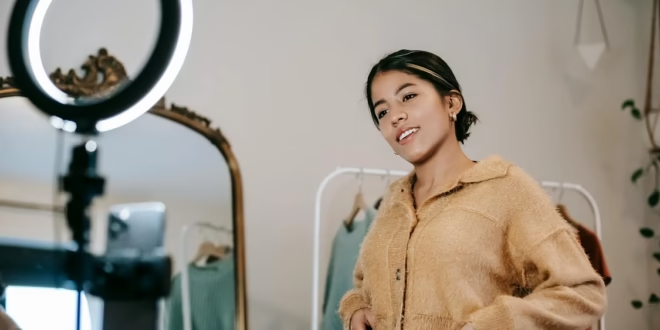
The life of a social media streamer may appear glamorous and carefree. But for every moment that gets shared with fans, there are unspoken challenges behind the scenes.
Globally, around thirty percent of internet users consumed live-streaming content every week during the last quarter of 2023. This number, of course, has gone up over the months and years, and live streaming is a huge deal right now.
However, maintaining an online presence comes with unique responsibilities and emotional burdens that can quietly snowball if ignored. The creative freedom and audience connection can be thrilling. However, there are certain missteps that streamers must steer clear of if they want to sustain both their growth and well-being.
Let’s explore a few things social media streamers must avoid to protect their brand, sanity, and the integrity of their work.
Did you know that everytwo out of three people encounter hate speech on the internet? In fact, every streamer, no matter how polished or popular, eventually encounters negativity in the comments section.
Even a few harsh words, especially when they feel personal, can echo louder than hundreds of compliments. However, streamers must recognize that many hateful comments are less about them and more about the person behind the screen projecting their own frustrations.
When you internalize these remarks, you give them power they don’t deserve. Instead of spiraling, it helps to frame such comments as digital noise. This type of noise is unavoidable but ultimately meaningless.
Social media platforms can amplify emotional harm, especially when the line between online identity and real life becomes blurred. According to TorHoerman Law, the pressure to look or act a certain way has contributed to a disturbing rise in mental health issues. The reality surrounding this issue is beginning to be reflected in legal systems worldwide.
Recently, theFacebook lawsuit and social media mental health lawsuits have been filed over the years by families affected by social media addiction. These lawsuits point to a connection between obsessive platform use and growing cases of eating disorders, body image issues, and severe anxiety. Platforms designed to connect people have also played a part in isolating them.
Streamers must prioritize their mental space and recognize that validation doesn’t come from comment threads. Ignoring the hate isn’t just self-preservation; it’s a survival skill in an industry that often overlooks emotional fallout.
#2 Avoid Oversharing Personal Information
Being relatable is part of the job, and that usually means opening up about your day, your background, or even your family. But there’s a fine line between being transparent and compromising your safety.
When a streamer shares too many details, like home addresses or deeply personal stories, they risk becoming vulnerable to harassment or even stalking. The internet may feel like a bubble, but it’s a public space. Anything you put out there can be screenshot, saved, and taken out of context.
It’s also important to recognize that oversharing can backfire in unexpected ways. Your audience changes over time, and so do their interpretations of your content. What feels harmless today might be weaponized against you tomorrow.
Protecting personal boundaries isn't about being secretive. It's about understanding that not everything needs to be content. Streamers should always pause and ask themselves: “Am I sharing this for connection, or am I oversharing to fill the silence?”
#3 Avoid Chasing Virality at the Cost of Values
In the race to grow an audience, many streamers fall into the trap of doing whatever it takes to go viral. Maybe it's an outrageous prank, a hot take on a sensitive topic, or clickbait that stretches the truth. And sure, sometimes these tactics work. But the cost can be steep.
Viral moments are fleeting, but the damage to credibility can be permanent. Audiences are quick to catch on when something feels forced or disingenuous, and once trust is broken, it’s hard to win it back.
Staying true to your values as a creator is essential, even when the numbers tempt you otherwise. You don’t need to be controversial to be seen. Real, sustained growth comes from building a relationship with your viewers based on authenticity.
Here’s a tip: It's better to grow slowly and stay grounded than to shoot up fast and burn out.
#4 Avoid Ignoring Burnout
Live streaming might seem like just turning on a camera and talking but any streamer knows it’s far more than that. Planning content, managing community expectations, dealing with algorithms, and staying consistent can lead to exhaustion.
Many creators ignore the signs ofburnout, fearing that taking a break will make them irrelevant. The pressure to “stay online” becomes a silent force that drives creators into mental and emotional fatigue.
But ignoring burnout doesn’t make it disappear. It simply builds up until you’re forced to stop.
Recognizing when to slow down is crucial to longevity in this field. Taking care of your health isn’t laziness, it’s sustainability. Whether that means taking mental health days, setting streaming schedules, or establishing off-camera boundaries, these small steps are what allow creators to last.
Frequently Asked Questions (FAQs)
Is live social media streaming popular?
Yes, live streaming is highly popular on platforms like Instagram, TikTok, Facebook, and YouTube. It offers real-time engagement, authenticity, and direct interaction with viewers. Brands, influencers, and creators use it to build trust and boost visibility. Its spontaneity often attracts larger, more engaged audiences than pre-recorded content.
What kind of content does well when it comes to live streaming?
Content that feels interactive and personal, like Q&A sessions, product demos, etc. performs best in live streams. Audiences enjoy reacting in real-time and influencing the direction of the conversation. Live giveaways and tutorials also attract high viewership. The key is authenticity and audience involvement.
Is it difficult to manage a live podcast?
Managing a live podcast can be challenging because it leaves little room for error. You must juggle audio quality, live audience interaction, timing, and sometimes guest coordination. Technical issues can occur unexpectedly. Preparation, a solid format, and backup plans make live podcasts more manageable.
Being a social media streamer today is a complex blend of creativity, vulnerability, and business savvy. It’s easy to get swept up in the attention, the pace, and the constant pursuit of growth. But the most successful creators are the ones who protect their well-being, respect their boundaries, and move with intention.
At the end of the day, streaming isn’t just about being seen; it’s about staying true to yourself while sharing your world with others. And that balance, when protected, becomes the real key to long-term success.