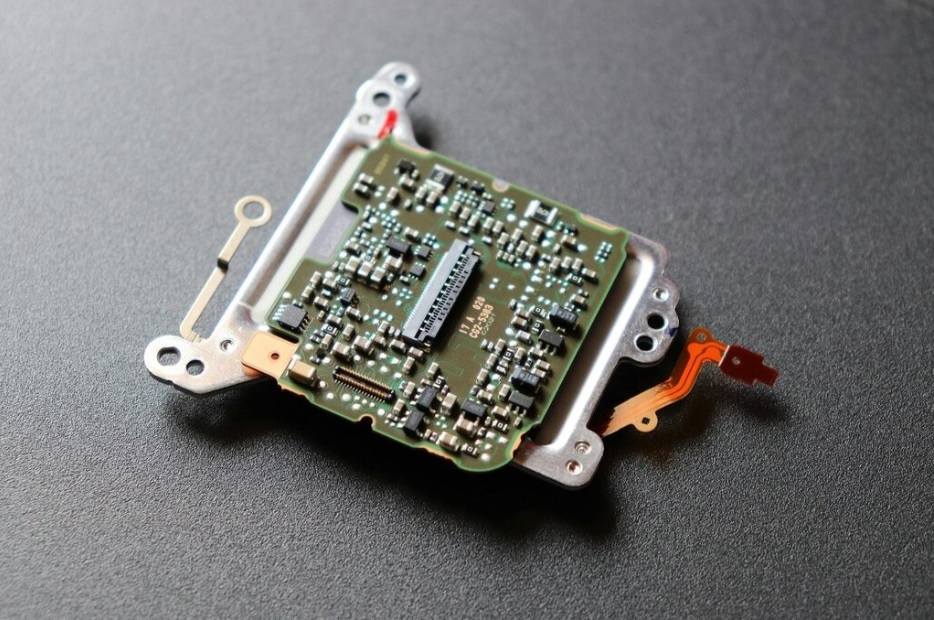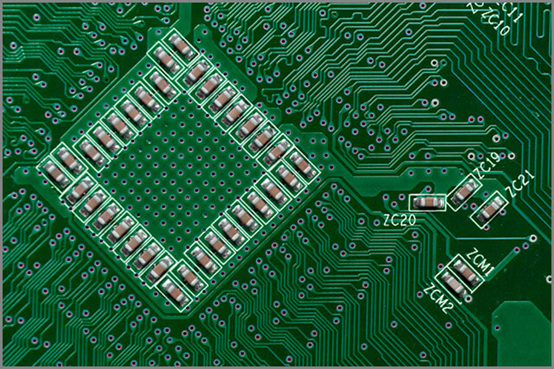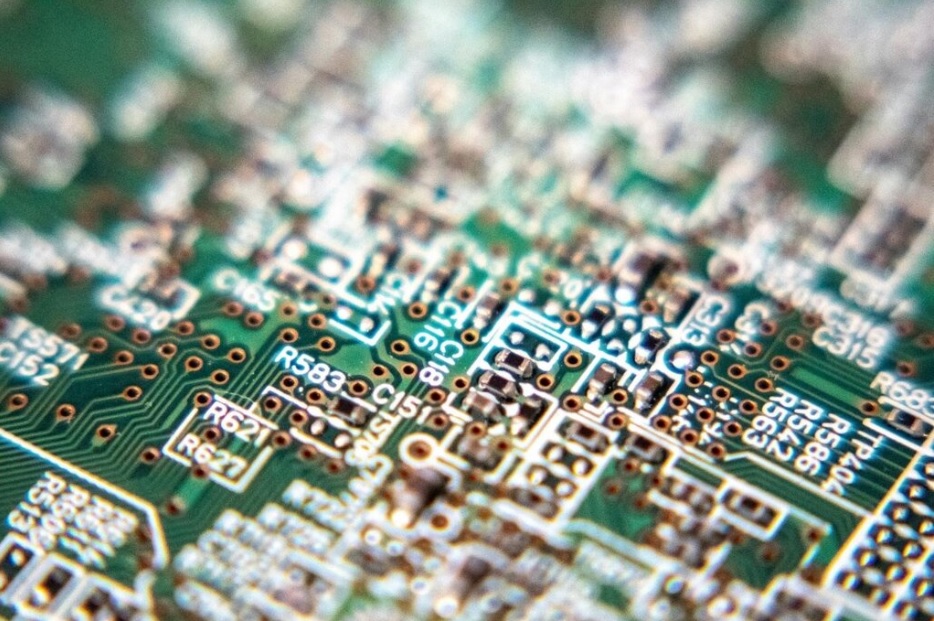
In today’s fast-evolving electronics landscape, PCB assembly has transcended traditional rigid boards to embrace the versatility of flexible PCBs. These bendable circuit boards enable innovative product designs across the medical, aerospace, automotive, and consumer electronics industries.
This guide dives deep into the process of flexible PCB assembly and soldering, outlining each step, from component placement to future trends.
Introduction to Flexible PCB Assembly
Flexible PCBs—also known as flex circuits—are thin, lightweight, and capable of bending or folding without damaging the circuits. Unlike traditional rigid boards, flexible printed circuits provide design flexibility and space-saving advantages, making them ideal for compact, dynamic applications.
PCB assembly for flexible circuits differs significantly from rigid printed circuit board assembly due to the need to accommodate material movement, heat sensitivity, and mechanical stress during assembly and actual device use.
Component Placement on Flexible PCBs
Placing components on a flexible PCB requires extreme precision. Due to their pliability, flex boards must often be held in place using a fixture or carrier during assembly. Components such as resistors, capacitors, ICs, and connectors are typically surface-mounted using automated pick-and-place machines.
To ensure accuracy:
-
- Use fiducial markers for alignment.
- Keep component density low to reduce stress.
- Avoid placing components in bend zones.
Soldering Techniques for Flexible PCBs
Soldering plays a critical role in securing components to the board. In pc board assembly, standard soldering techniques include:
1. Reflow Soldering
Ideal for printed circuit board assembly, reflow soldering uses solder paste and a conveyor oven to attach surface-mount components. For flexible PCBs:
-
- A stiffener may be added to maintain flatness.
- Temperature profiling is crucial to avoid damaging the flexible substrate.
2. Hand Soldering
Used for through-hole components or sensitive assemblies. Technicians must control soldering time and temperature to avoid burning the flexible layers.
3. Laser Soldering
Precision laser soldering offers low thermal stress and high accuracy, making it suitable for delicate PCB assembly.
Thermal Management During Soldering
Thermal control is vital in flexible PCB assembly, as the materials used—typically polyimide or polyester—have lower thermal resistance than rigid boards.
Tips for thermal management:
-
- Use heat sinks and thermal vias near heat-sensitive components.
- Implement appropriate reflow profiles.
- Consider lower-melting-point solders.
Adhesive and Reinforcement for Assembly
To enhance structural integrity during and after PCB assembly, adhesives and stiffeners are used:
-
- Stiffeners: Applied to areas where components are mounted to reduce flexing.
- Adhesives: Bond layers together and prevent delamination.
- Coverlays: Flexible insulating films that protect the circuitry while allowing movement.
These reinforcements are essential for maintaining the board's functionality and reliability.
Flexible PCB Assembly for Dynamic Applications
Unlike static PCBs, flexible PCBs are often used in dynamic bending applications such as foldable phones or wearable devices. For these cases, assembly considerations include:
-
- Avoiding solder joints in flex zones.
- Using strain relief techniques.
- Selecting durable materials that can withstand repeated flexing.
Testing and Validation of Solder Joints
After assembly, validating the integrity of solder joints is critical. Inspection methods include:
-
- Automated Optical Inspection (AOI): Checks solder joint quality and component placement.
- X-ray Inspection: Essential for hidden solder joints, like BGAs.
- Electrical Testing: Ensures continuity and performance.
These checks ensure the PCB assembly meets performance standards and reliability criteria.
Surface Finish and Soldering
The surface finish of a printed circuit board affects solderability, shelf life, and electrical performance. Common finishes include:
-
- ENIG (Electroless Nickel Immersion Gold): Offers excellent solderability and corrosion resistance.
- OSP (Organic Solderability Preservatives): Eco-friendly and ideal for flat surfaces.
- HASL (Hot Air Solder Leveling): Cost-effective but less suitable for fine-pitch components.
Choosing the right finish ensures optimal solder adhesion and joint reliability.
Connector Assembly on Flexible PCBs
Connectors play a vital role in interfacing flexible PCBs with other system components. During pc board assembly, special care must be taken to:
-
- Align connectors precisely.
- Use low-profile, flexible-compatible connector types.
- Reinforce connector areas to prevent mechanical stress.
Proper connector assembly enhances long-term durability and reduces the risk of detachment.
BGA and Fine-Pitch Components on Flexible PCBs
Ball Grid Arrays (BGAs) and fine-pitch components present unique challenges in flexible PCB assembly:
-
- Precise alignment is crucial due to small pad sizes.
- X-ray inspection is required post-assembly for hidden solder joints.
- Stiffeners may be used under the BGA to stabilize the flex PCB during soldering.
Correct handling ensures reliable connections and minimizes the chance of defects.
Assembly Tools and Equipment for Flexible PCBs
Specialized equipment improves precision and consistency in printed circuit board assembly:
-
- Vacuum chucks or assembly carriers to stabilize flexible boards.
- Thermal profiling tools to optimize soldering temperatures.
- Precision dispensing systems for controlled adhesive application.
Using the right tools enhances process reliability and quality.
Assembly Defects and Their Prevention
Common defects in PCB assembly include:
-
- Cold solder joints
- Delamination
- Pad lifting
- Misalignment
To prevent these:
-
- Maintain clean, controlled environments.
- Use appropriate soldering profiles.
- Ensure proper handling to avoid bending or cracking during assembly.
Design for Assembly (DFA) for Flexible PCBs
Designing for assembly is crucial in flexible PCB manufacturing. DFA best practices include:
-
- Minimizing vias in flex zones
- Grouping components to reduce stress
- Keeping traces away from bending lines
- Incorporating test points for post-assembly checks
Manufacturers can reduce costs, errors, and turnaround times by designing with assembly in mind.
ESD Protection During Assembly
Electrostatic discharge (ESD) can damage sensitive components during PCB assembly. Key protections include:
-
- Using grounded tools and ESD-safe workstations
- Employing ionizing air blowers
- Wearing anti-static garments and wrist straps
Strict ESD protocols ensure the long-term reliability of flexible PCBs.
Future Trends in Flexible PCB Assembly and Soldering
As electronics continue to miniaturize, flexible PCB assembly is poised for growth. Upcoming trends include:
-
- 3D flexible circuit assembly for more compact devices
- Roll-to-roll manufacturing for high-volume production
- Embedded components to save space and improve performance
- AI-powered inspection systems to enhance quality control
Innovations in materials and automation will drive faster, more reliable printed circuit board assembly processes.
Conclusion
From consumer gadgets to critical medical devices, flexible PCB assembly and soldering are shaping the future of electronics. Understanding the complexities of PCB assembly—from component placement to thermal management—ensures robust, high-performance products. Manufacturers can deliver reliable, innovative solutions across various applications by keeping up with industry best practices and future trends.