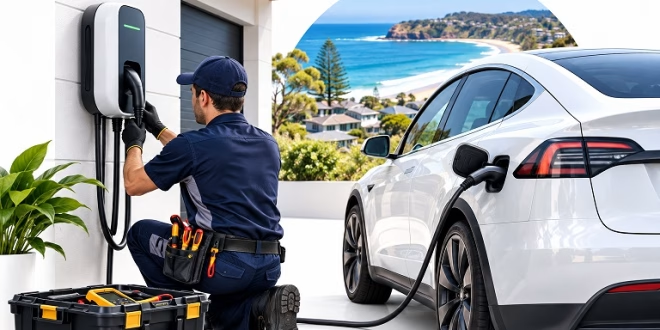
Electric vehicles are becoming increasingly popular, making EV charger installation a vital consideration for homeowners. For those residing near the coast, professional EV charger installation Northern Beaches services are readily available, offering expert solutions tailored to local needs.
The installation of an EV charger at home ensures convenience and efficiency for electric vehicle owners. It eliminates the need to rely solely on public charging stations, which can be less accessible and more time-consuming. This guide provides a comprehensive overview of the process, benefits, and considerations involved in installing an EV charger in a residential setting.
Understanding EV Charger Types
EV chargers come in different types, primarily distinguished as Level 1, Level 2, and DC fast chargers. Level 1 chargers use a standard household outlet and provide slow charging, suitable for those who drive minimal distances. Level 2 chargers require installation of a dedicated charger unit connected to a 240-volt outlet, offering significantly faster charging. DC fast chargers are typically used in commercial settings due to their high power requirements and rapid charging capabilities.
Choosing the Right Charger for Your Home
Selecting the appropriate EV charger depends on various factors including the electric vehicle’s battery capacity, daily driving habits, and your home's electrical infrastructure. Level 2 chargers are the most common choice for residential installation due to their balanced performance and installation requirements.
Assessing Your Home’s Electrical Capacity
Before installation, it is crucial to evaluate your home’s electrical system to ensure it can support the EV charger. A qualified electrician will assess the mains supply, circuit breakers, and wiring to determine if upgrades are necessary. This assessment helps avoid overloading the electrical system and ensures safe operation of the charger.
Benefits of Professional EV Charger Installation
Engaging certified electricians for EV charger installation guarantees compliance with local safety standards and electrical codes. Professionals also ensure that the charger is installed optimally for accessibility, safety, and performance. Moreover, professional installation supports warranty validation and reduces the risk of malfunction or damage.
Regulatory Standards and Safety Requirements
EV charger installations must comply with national and local regulations, including wiring rules and building codes. Certified electricians ensure that installations meet these standards, which cover aspects such as grounding, circuit protection, and installation location.
Typical Installation Process
The process generally begins with a site inspection, followed by design and planning to identify the charger location and electrical connections. Installation involves mounting the unit, wiring it to the electrical panel, and conducting safety tests. The entire process can typically be completed within a day, depending on the complexity of the installation.
Cost Considerations and Incentives
The cost of installing an EV charger varies based on charger type, the complexity of electrical upgrades, and labour charges. However, there are often government rebates or incentives available to reduce the financial burden on homeowners, encouraging the adoption of electric vehicles.
Maintaining Your EV Charger
Regular maintenance ensures that the EV charger functions reliably and safely. Homeowners should periodically inspect the charger for wear, damage, or loose connections and seek professional servicing if necessary. Proper maintenance extends the lifespan of the charging unit.
Environmental Impact of Home EV Charging
Installing an EV charger at home supports environmentally friendly transportation by facilitating the use of electric vehicles, which produce fewer emissions compared to petrol-powered cars. When combined with renewable energy sources, home charging can substantially reduce a household’s carbon footprint.
Emerging Technologies in EV Charging
Advancements in charging technology continually improve efficiency, charging speed, and integration with smart home systems. Features such as load management, remote monitoring, and energy optimisation are becoming more common, enhancing the user experience.
Choosing the Right Installation Partner
Selecting a reliable and experienced installation service is essential for a successful EV charger setup. It is advisable to choose electricians with proven expertise in EV chargers, positive customer reviews, and proper licensing. For residents in the region, EV charger installation Northern Beaches providers like Matty James Electrical offer trusted services.
Conclusion
Home EV charger installation is an important step towards embracing sustainable transportation. With thorough planning, professional installation, and ongoing maintenance, homeowners can enjoy the convenience and benefits of charging their electric vehicles safely and efficiently. Considering factors such as charger type, electrical capacity, and regulatory compliance will ensure a smooth installation process tailored to individual needs.