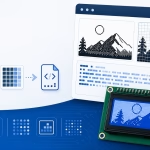
Convert JPG, PNG and BMP images into LCD bitmap arrays for Arduino, ESP32, STM32, OLED, TFT and other microcontroller displays.
Looking for an easy way to convert an image into LCD bitmap data? This LCD image converter lets you upload a JPG, PNG, or BMP image and generate a C/C++ array for Arduino, STM32, ESP32, Raspberry Pi Pico, and other microcontroller projects.
Because the tool runs in your browser, there is nothing to install. As a result, you can quickly create icons, logos, symbols, splash screens, and simple display graphics for LCD, OLED, and TFT modules.
Example: const uint8_t icon[] = { 0x18, 0x3C, 0x7E };
Choose the Right Bitmap Converter
The main LCD Bitmap Converter supports several embedded display formats. Select a dedicated converter below to load the recommended settings and generate code for your target library or data format.
Displays to Try Your Converted Bitmaps
What Is an LCD Bitmap Converter?
An LCD bitmap converter turns an image into pixel data that a microcontroller can display on a screen. Instead of manually writing hexadecimal values, you upload or draw an image, choose the display size, and let the tool generate the array for your code.
This is useful when working with displays such as:
- 128x64 monochrome LCDs
- 128x32 and 128x64 OLED displays
- 160x128 TFT displays
- 240x240 TFT displays
- 320x240 TFT displays
- Custom graphical LCD modules
After conversion, the generated output can be copied into Arduino sketches, STM32 projects, ESP32 firmware, or other embedded C/C++ programs.
Key Features
Upload an Image and Convert It
First, upload a JPG, PNG, or BMP image. Then, the tool converts it into bitmap data for your display. It maps the image to your selected resolution, so you can preview how it will appear on the LCD or OLED screen.
After that, you can still edit the pixels before generating the final code. This is helpful if the automatic conversion needs small adjustments.
Draw Directly on the Pixel Grid
You can also create a bitmap from scratch using the interactive pixel grid. Simply click each square to turn a pixel on or off.
Because each pixel can be edited manually, this mode is useful for simple icons, arrows, battery symbols, menu graphics, and small logos.
Set a Custom Display Resolution
Before drawing or converting an image, enter the width and height of your display. This helps the output match your actual screen.
Common resolutions include:
- 128x64 for monochrome graphical LCDs and OLEDs
- 128x32 for small OLED modules
- 160x128 for compact TFT displays
- 240x240 for square TFT displays
- 320x240 for larger TFT LCD screens
For best results, use the same resolution as your actual display.
Generate C and C++ Bitmap Arrays
Once your graphic is ready, click Generate to create a C/C++ array. The output is formatted so you can paste it directly into your firmware.
Example output:
const uint8_t bitmap[] = {
  0xFF, 0x81, 0x81, 0xFF
};
Depending on your display type and library, this array can be used to draw the bitmap on the screen.
Copy the Code Quickly
After generating the array, use the Copy button to copy the code to your clipboard. Then, paste it into your Arduino, STM32, ESP32, or other embedded project. This makes the workflow faster, especially when testing several icons or display graphics.
How to Use the LCD Image Converter
1. Choose an Output Target
First, select the format that matches how you plan to use the image. The base converter supports generic C arrays, Arduino-compatible byte arrays, SSD1306 and Adafruit GFX bitmaps, U8g2 XBM output, and RGB565 color arrays.
Choosing an output target automatically sets the recommended bit order, byte layout, array declaration, and image format. You can still adjust the available settings manually afterward.
2. Set the Image Size
Enter the width and height of the bitmap you want to generate. For example, use 128 × 64 when creating a full-screen image for a common monochrome OLED display.
The bitmap does not need to use the full display size. You can also create smaller icons, logos, buttons, and interface graphics.
3. Choose the Display Mode
Select monochrome mode for black-and-white LCD or OLED graphics. Select color mode when generating images for TFT displays or other screens that support color.
When the RGB565 output target is selected, the converter generates one 16-bit color value for every pixel.
4. Draw or Upload an Image
You can draw directly on the pixel grid or upload an existing image. Simple icons, logos, symbols, and high-contrast graphics generally produce the best results on low-resolution displays.
After uploading an image, the converter scales it to the selected bitmap dimensions.
5. Preview and Edit the Bitmap
Check the converted image on the pixel grid before generating the array. You can click individual pixels to correct details, remove unwanted pixels, or refine the image manually.
The output summary shows the selected format, bitmap dimensions, byte orientation, bit order, and estimated memory usage.
6. Generate the C or C++ Array
Once the image looks correct, click Generate. The converter creates a C or C++ array formatted for the selected output target.
Depending on the chosen target, the generated result may include:
- A portable uint8_t C array
- An Arduino PROGMEM declaration
- An Adafruit GFX drawBitmap() example
- A U8g2 drawXBMP() example
- A 16-bit RGB565 color array
Copy the generated array and its accompanying drawing code into your microcontroller project.
Supported Display Types
Monochrome LCD Displays
The tool works well with monochrome graphical LCDs, especially displays that use simple on/off pixel data. These are common in menus, meters, embedded control panels, and industrial devices.
OLED Displays
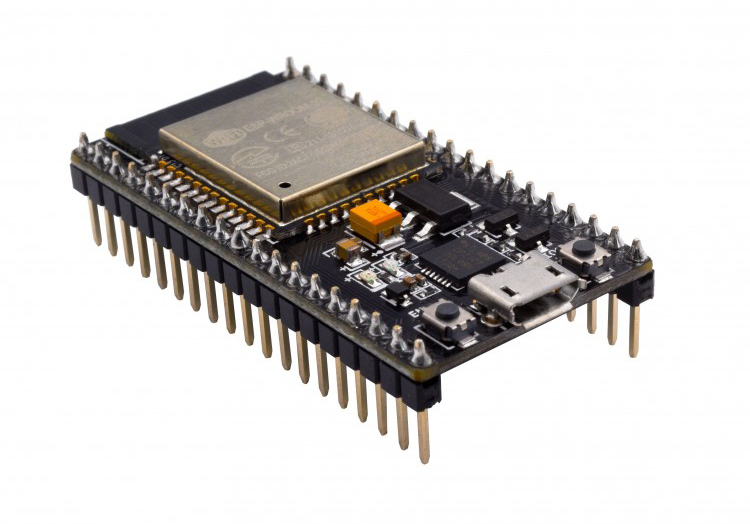
You can use the converter for small OLED screens, including common 128x32 and 128x64 modules used with Arduino, ESP32, and STM32 boards.
TFT LCD Displays
For color display projects, the tool can help prepare image data for TFT modules such as 160x128, 240x240, and 320x240 displays.
Microcontroller Projects
Because the output is a C/C++ array, it can be used in many embedded projects, including:
- Arduino display projects
- ESP32 dashboards
- STM32 user interfaces
- Raspberry Pi Pico display projects
- Sensor menus
- IoT status screens
- Handheld devices
- Custom electronics projects
Tips for Better Bitmap Results
Use simple images with strong contrast. Small LCD and OLED screens have limited resolution, so detailed photos may not convert clearly. Resize the image before uploading if needed. A small icon usually looks better than a large image forced into a tiny display area. For monochrome displays, use black-and-white artwork whenever possible. This makes the converted bitmap easier to read on the screen. For logos and icons, test different sizes until the shape remains clear at your display resolution.
Why Use an Online LCD Image Converter?
An online LCD image converter saves time when creating graphics for embedded systems. You do not need to install separate bitmap software or manually calculate hex values.
This tool gives you a simple workflow:
- Upload or draw an image.
- Preview the bitmap.
- Generate the C/C++ array.
- Copy the code into your project.
As a result, it becomes easier to add icons, logos, and custom graphics to your LCD, OLED, or TFT display project.
FAQs
Can I use this LCD bitmap converter with Arduino?
Yes. The generated C/C++ array can be copied into Arduino sketches and used with compatible display libraries.
Can this convert images for OLED displays?
Yes. It can be used for common OLED resolutions such as 128x32 and 128x64.
What image format should I upload?
Use JPG, PNG, or BMP. For best results, use simple high-contrast images.
Try the LCD Bitmap Converter
Use the tool above to create your LCD bitmap online. First, set your display size. Then, upload or draw your image. Finally, generate the C/C++ array and paste the result into your microcontroller code.