Today’s supply chains are expected to perform at higher speeds, with greater accuracy and reliability, which has seen the introduction of what is digital technology, which in turn is bringing to the table better visibility, automation, which is a plus, and operational flexibility, which is key. Also, it is becoming evident that in every industry manufacturers are reporting that they are having issues with global disruptions, material shortages, and transportation delays and also that the wants of customers are constantly changing. To get over these issues, companies are putting in more resources into digital solutions.
IoT, embedded systems, and flexible manufacturing have together created what is today’s most effective supply chain solution. These technologies allow manufacturers to see in real time what is going on in their processes, which in turn enables them to react at a moment’s notice to the unexpected. Also, they are able to improve production without trade-off of quality or performance.
Why Supply Chain Resilience Matters
A robust supply chain is put in place to weather disruptions, which at the same time maintains steady production and product delivery. Also, instead of waiting for problems to arise, which is a reactive approach, proactive risk identification is done through the use of connected technologies, which in turn leads to better decisions and prevention of small issues from growing into large-scale problems.
Manufacturers who put into place robust operations see to it that they reduce downtime, improve inventory management, add value to product quality, and, in the process, also better customer experience. In the fields of electronics, automotive, health care, aerospace, and consumer products, it is clear that this is of great importance, where production delays report large financial losses.
The Role of IoT in Modern Manufacturing
IoT is the network that connects machines, sensors, and production equipment. Connected devices continuously provide operational data, which in turn is used to improve manufacturing performance.
For instance, sensors installed on production equipment, which track
- Temperature
- Vibration
- Humidity
- Pressure
- Energy use
When abnormal performance is detected, maintenance teams are alerted, which in turn prevents equipment failure.
IoT also reports in real time on raw materials, finished products, and warehouse conditions. It is evident that manufacturers that implement this are able to spot shortages early, to fine-tune stock levels, and to reduce what is not required inventory expenditure.
Also, with respect to which large-scale logistics networks allow companies to track their shipments at any time, which in turn gives greater transparency across the supply chain.
Embedded Systems Power Intelligent Automation
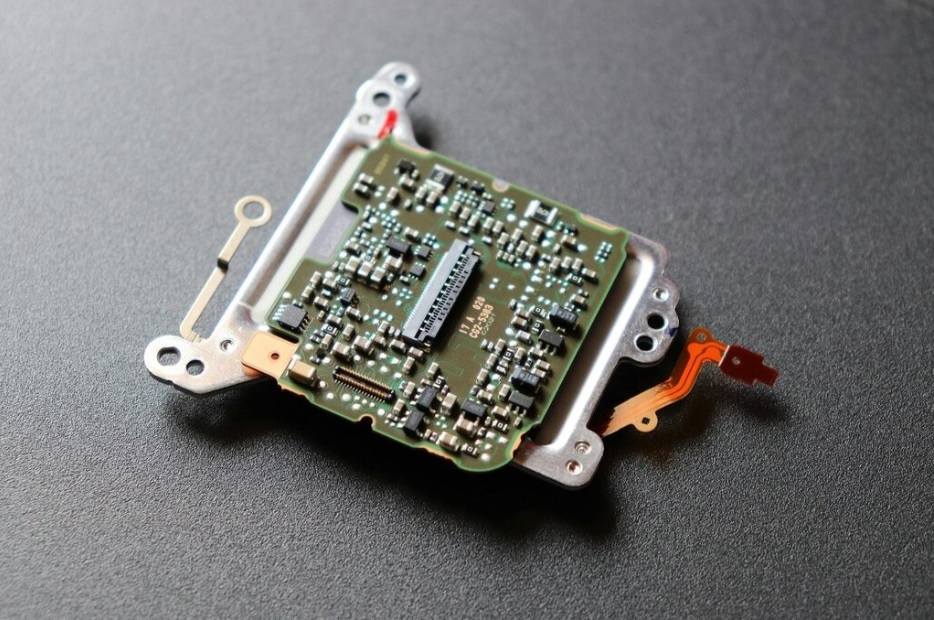
At the core of each connected manufacturing system is the embedded system. These specialized computing platforms control sensors, industrial equipment, robotics, and communication devices, also processing data in real time.
Microcontrollers like the STM32, ESP32, AVR, and the ARM Cortex-M families see a great deal of action in industrial automation due to their fine performance at low power. Also, these embedded solutions, which are used in great numbers in industry, report sensor info, control actuators, communicate with cloud-based services, and perform automation algorithms with almost no delay.
Within many manufacturing settings, embedded systems perform tasks such as
- Monitoring machine health
- Controlling conveyor systems
- Managing robotic assembly lines
- Collecting environmental data
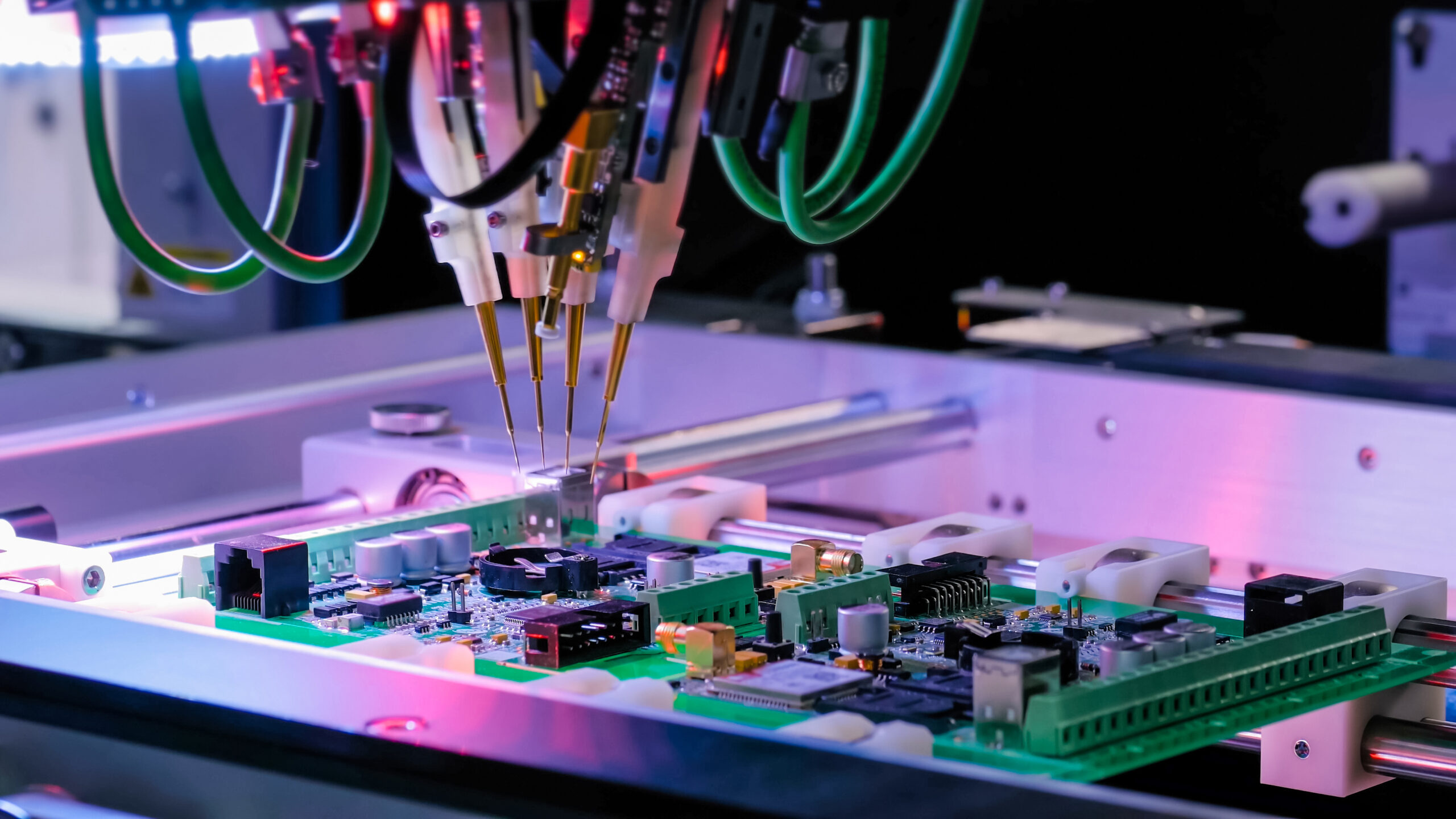
- Automating quality inspection
- Controlling industrial motors and drives
In today’s smart factories, embedded controllers, which run constantly and very reliably, form the base.
Flexible Manufacturing Improves Adaptability
Traditional production lines are on a large scale, which is dedicated to a single product. Although they do well in stable conditions, they have issues when customer demand shifts or supply is interrupted.
Flexible manufacturing systems do, out of which traditional fixed production lines do not. Automated equipment, programmable controllers, robotic systems, and modular production cells provide the elements that allow for the easy transition between products, also with very little downtime.
For instance a custom plastics manufacturer or a factory which produces electronic equipment may update assembly stations via software instead of changing out whole production lines. This is to reduce changeover time, which in turn increases overall productivity.
In combination with embedded control systems and IoT monitoring, flexible growth of manufacturing, in turn, allows companies to better react to market demand without a trade-off against operational efficiency.
Real-Time Data Enables Better Decision-Making
One in which connected manufacturing excels is in the access of real-time operational data.
Instead of waiting for end-of-day production reports, real-time dashboards present key performance indicators to the engineers. Data collected from embedded systems is sent out via industrial communication protocols like MQTT, Modbus, CAN, or Ethernet/IP to local servers or the cloud.
This steady flow of information allows production managers to
- Detect equipment faults early
- Monitor production efficiency
- Optimize machine utilization
- Improve product quality
- Reduce energy consumption
- Schedule predictive maintenance
Real-time analytics also support better decision-making in times of unexpected disruptions, which in turn see manufacturers reduce production losses.
Predictive Maintenance Reduces Downtime
Unexpected machine breakdowns are a major cause of manufacturing delays.
Predictive maintenance which leverages sensor data, embedded controllers, and machine learning to identify signs of wear before failure. Vibration, temperature, and current sensors in that which report on machine health constantly.
When out of the ordinary patterns are noticed which is when maintenance teams are alerted to check out the equipment before a breakdown is observed which interrupts production.
This preventive strategy, in turn, sees manufacturers reduce maintenance costs, extend equipment life, and avoid expensive production downtime.
Edge Computing Enhances Industrial Performance
Many industrial processes demand response times that are out of cloud computing’s reach.
Edge computing uses at the local level the resources of embedded processors, industrial PCs, or gateway devices for sensor data processing before sending out the relevant info to cloud platforms.
This approach offers several advantages:
- Lower communication latency
- Reduced network bandwidth
- Faster control decisions
- Improved system reliability
- Enhanced cybersecurity
In today’s fast-paced environment of industrial automation, edge computing is what keeps production going when internet connectivity is lost.
Cybersecurity Is Essential for Connected Factories
As the industry continues to witness the growth of connected manufacturing systems, cybersecurity is a key element of supply chain resilience.
Industrial IoT devices must put in place secure communication protocols, encrypted data transmission, authentication methods, and regular firmware updates. It is also evident that network segmentation and secure remote access greatly reduce the risk of cyberattacks which in turn affect production operations.
Throughout the lifecycle of embedded devices protection is maintained which in turn guarantees reliable manufacturing and protection of sensitive operational data.
The Future of Smart Supply Chains
The future of smart manufacturing is in better connectivity and intelligent automation. Artificial intelligence, digital twins, industrial robots, 5G, and advanced embedded systems are at the disposal to make supply chains very responsive.
Manufacturers are reporting that they are more -- at using the cloud in combination with edge intelligence to build out dynamic production and distribution models they can easily adjust to changes in what the market is doing.
As technology is evolving, companies that jump on the digital transformation bandwagon will see themselves in a better position to improve performance, reduce operational risks, and also maintain their edge in a very complex global environment.
Conclusion
Building out robust supply chains is beyond just increasing inventory or expanding supplier bases. Today’s manufacturers require smart systems that provide visibility, automation, and flexibility at every stage of production.
IoT devices provide real-time operational reports, embedded systems do reliable machine management, and flexible manufacturing is able to very quickly adapt to change in demand. As a whole these techs bring about what is considered smart factories that predict issues before they happen, which in turn optimizes resources and upholds continuous production in tough environments.
By putting into connected manufacturing technologies today, companies are able to develop stronger, more efficient supply chains, which will in turn be reliable in the face of future uncertainty.