You have probably experienced wiring when you've created an outdoor electronics project, like a weatherproof security camera system, a garden lighting system or an even backyard automation rig. It is among the most important choices that you will make. Do not get it right and you are not just in for a broken project, you are in for potential safety hazards, expensive repairs and the pain of dismantling it after the first rainstorm.
But what is the best wire to use? Let's walk through it properly.
Start with the Environment, Not the Wire
Don't grab a roll of cable before you get a handle on what your wiring will face. The outdoor world is much more hostile to the setups than indoors: UV radiation, temperature variations, moisture, bugs, abrasion, and other factors all wear down over time.
Consider: Does the wiring need to be installed underground?
- Exposed to direct sunlight?
- Going through a conduit?
- In the water, next to water features?
A different solution is needed for each scenario. A line that performs well in a weatherproof enclosure will not last long if exposed on a sunny roof top without UV resistant jacketing. This environmental audit will be your base. From there, everything else - wire gauge, insulation material, connector type – flows.
Wire Gauge and Current Capacity
The most frequently made mistake among beginners is to select a wire for convenience and not its current carrying capacity. The thickness (wire gauge) of a conductor directly influences its ability to safely support a current. Make it too small, and you may find yourself overheating, voltage drop and a potential fire hazard.
- 18-22 AWG wire: Can be suitable for low-voltage outdoor applications, such as LED lighting or sensor arrays.
- 14 or 12 AWG: If you're powering motors, pumps or anything requiring significant horsepower, you'll need to upgrade to these even larger if required by the load and length of run.
The longer the wire runs, the more resistance and therefore the more voltage is lost. When you are running wire 50 feet to a remote sensor, 12V at the source could measure 10.5V at the sensor. This could be acceptable but could also make your device act erratically. Before you choose a gauge, estimate your voltage drop.
Remembering That Insulation and Jacketing is More Important Than You Think
Not all insulators are equal. PVC jacketing is widely used and inexpensive but will deteriorate more rapidly in regions with strong ultraviolet radiation and will become hard and brittle in extreme cold. If you want cables that are truly outdoor-ready, you'll find those that are rated for direct burial, UV, or both.
If you are looking for wiring for a project that may be challenging, you may want to consider consulting a Cable Assembly Manufacturer that is known for creating outdoor or industrial grade products. These manufacturers are familiar with environmental ratings, material science and compliance that a general hardware store cable can't guarantee.
Popular choices for outdoor applications include:
- XLPE (cross-linked polyethylene): Resistant to UV degradation.
- TPE (thermoplastic elastomer): Maintains flexibility through a wide temperature range (note this point if you're in an area that experiences severe winters).
Consider Connectors and Terminations
The wire isn't all that matters. Outdoor systems commonly do fail, and many times it is at the connectors and terminations. Good or bad, a bad connector junction is a leakage path for moisture into the system, causing corrosion of the contacts and adding resistance.
- Wherever possible, use IP rated connectors (IP65 or higher) for applications subject to rain or spraying water.
- Adhesive lined heat-shrink connectors make an excellent seal for terminations in the field.
- If the connector is to be installed permanently, use molded or over-molded connectors that do not allow for entrance of moisture.
The mechanical stress on connectors becomes an additional dimension if your project includes moving or vibrating sensors, such as a camera on a moving gate, or sensors in an automated garden system. Robotics cable assembly engineering principles come into play here: flexible, strain relieved cables with vibration resistant terminations eliminate those maddening intermittent failures.
Waterproofing Your Wire Runs

The routing of wire runs is extremely important even if you have great cable and sealed connectors. Water finds a way that wouldn't appear easy. It travels up cable jackets, pools in low points in conduit and infiltrates seemingly airtight enclosures through glands.
Some basic rules: Run cables to allow water to run away from enclosures, not towards them.
- When burying wire underground, be sure to use conduit and sealed fittings.
- Use cable glands that are compressed around the jacket at entry points into boxes or housings.
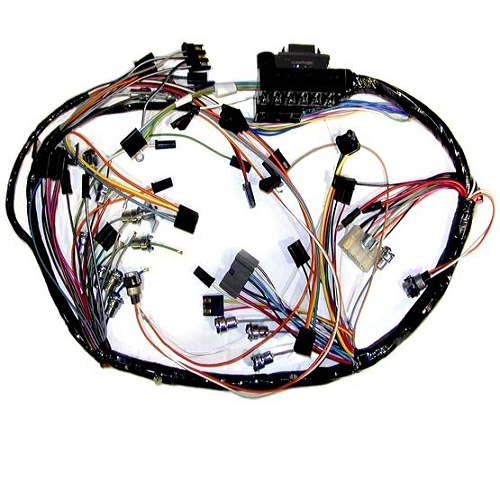
In situations where the wiring really matters, such as irrigation systems in the landscape, outdoor industrial controls, and agricultural sensors, Waterproof wire harnesses are worth the extra expense over a homemade wiring project. Pre-manufactured harnesses are designed, tested and sealed as a system, which significantly reduces the risk of failure due to ingress of moisture at a later time.
Compliance and Safety Ratings
For outdoor wiring, compliance is important, and it's easy to get lost in the practical aspects of wiring and forget about compliance. Check for certifications on cables such as:
- UL listing for projects in North America.
- CE marking for projects in Europe.
- Specific ratings such as “Sunlight Resistant” and “Direct Burial” located on the cable jacket.
If your project does not stop at the commercial line or is restricted by local electrical codes, then it is not an optional part of your project. This can be made easier when working with a trusted cable harness manufacturer, as they will be able to manufacture to specification and they will have documentation available for inspection if required.
Some Final Tips to Keep in Mind
Before deciding on your wiring plan, go through this mental checklist:
- Is thermal expansion taken into consideration? Direct sun causes daily expansion and contraction of cables. Do not pull the wire tight, leave a service loop.
- Do you have all penetrations through enclosure walls sealed with glands/grommets?
- Do you have wire runs labeled? It is a no-brainer, however you will thank yourself 6 months from now when you are troubleshooting.
- When using conduit, have you pulled the fish tape first? Be sure the conduit is clear before wasting time pulling cable.
Wrapping Up
The key to selecting the right wiring product for an outdoor electronics project is to ask the correct questions before purchasing a product. What's the environment? How much is on the load? What kind of connections and terminations make sense? What will you do to keep it water tight?
Listen to what they have to say, order the materials you need and your outside project will continue to function for years to come, rain or no rain, sun or no sun, and temperature extremes or no. It is always easier and less hassle to make the right choice in the beginning, than to deal with the pain of a bad installation.