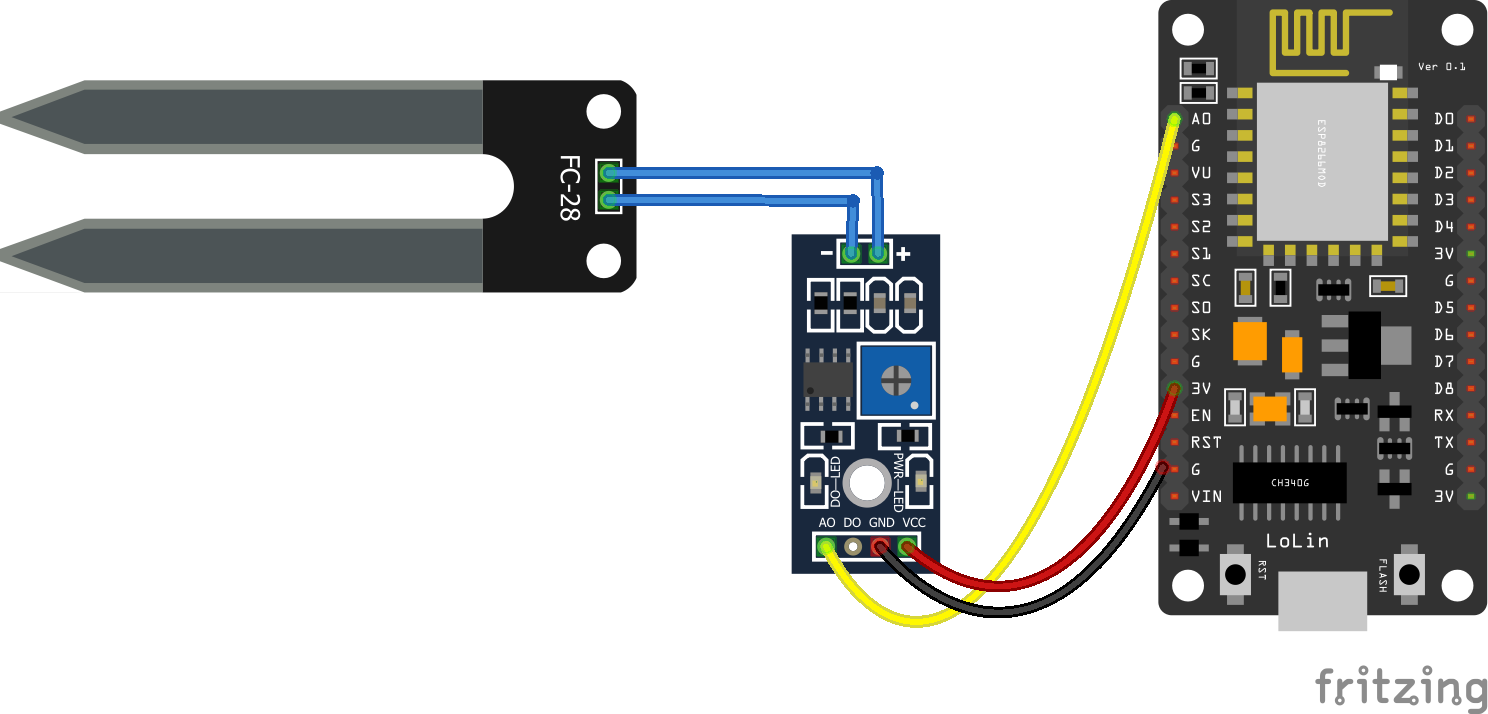
Plants need enough water to survive. But what if you forgot to water the plants? This multi-part ESP8266 tutorial aims to provide a simple soil moisture sensor that reminds you, via WiFi, that your flora needs a shower.
Read More »Solid State Relay Tutorial | WiFi Switch
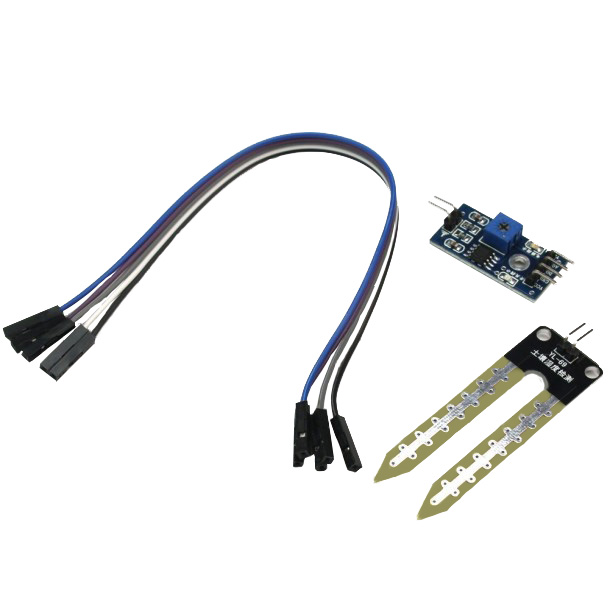
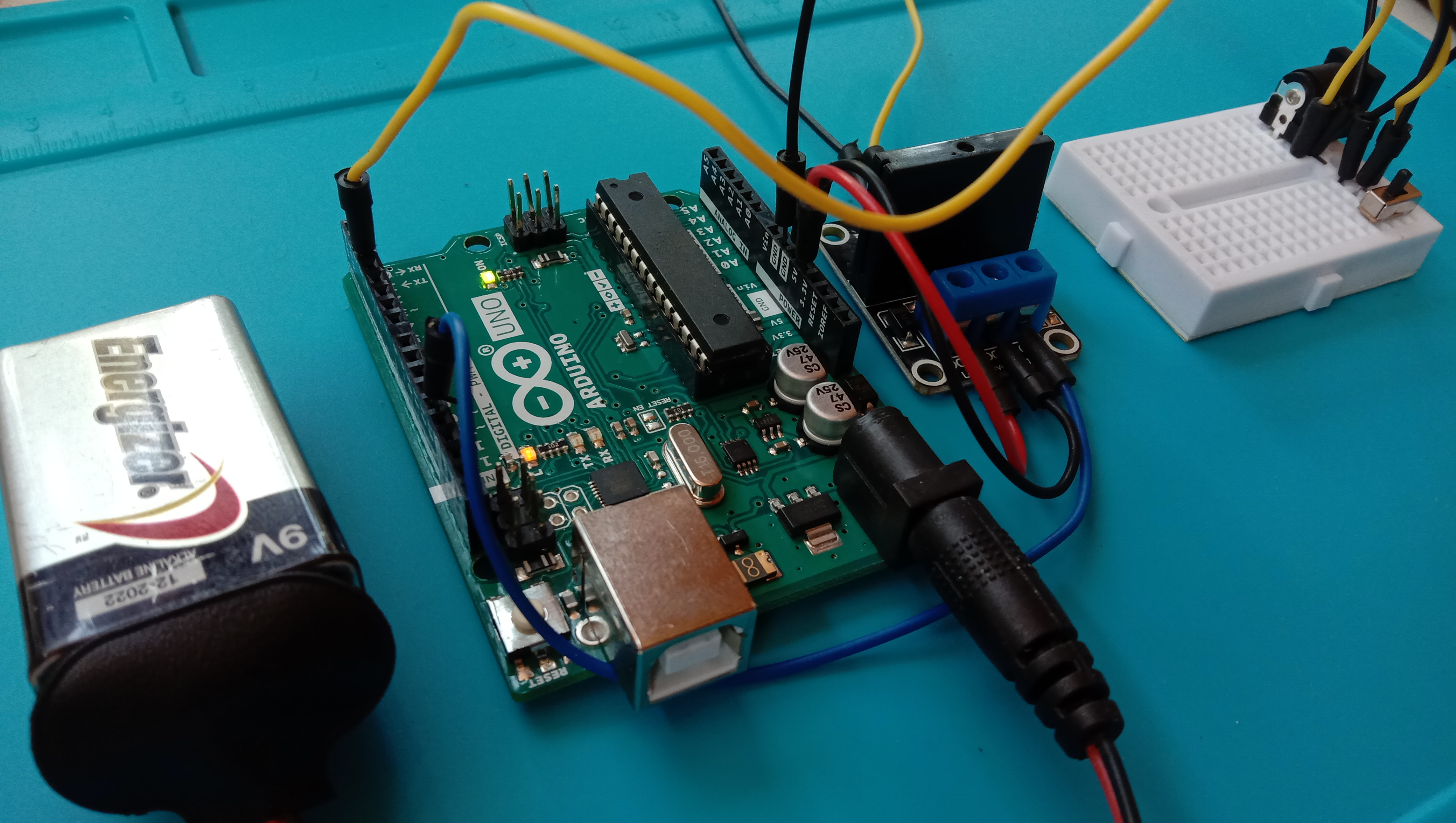
Relays in electronics are useful for controlling a high-power load using a smaller-power circuit. For example, an Arduino or PIC running on 5V, controlling a 240VAC light bulb, etc. This is what we have shown in our Arduino relay tutorial. But did you know that there are different types of …
Read More »1.3" I2C OLED with Arduino and ESP8266
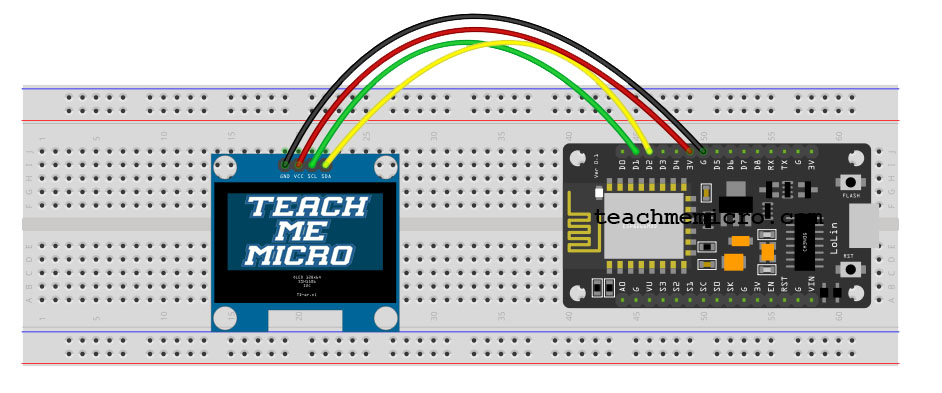
Last time, I featured the 0.96” OLED display and how to use with an Arduino microcontroller. If that screen was too small, you can try upgrading to a slightly larger 1.3” display. This tutorial aims to guide you on how to use the 1.3” OLED with popular microcontroller boards such …
Read More »Getting Started with WeMos D1 Mini
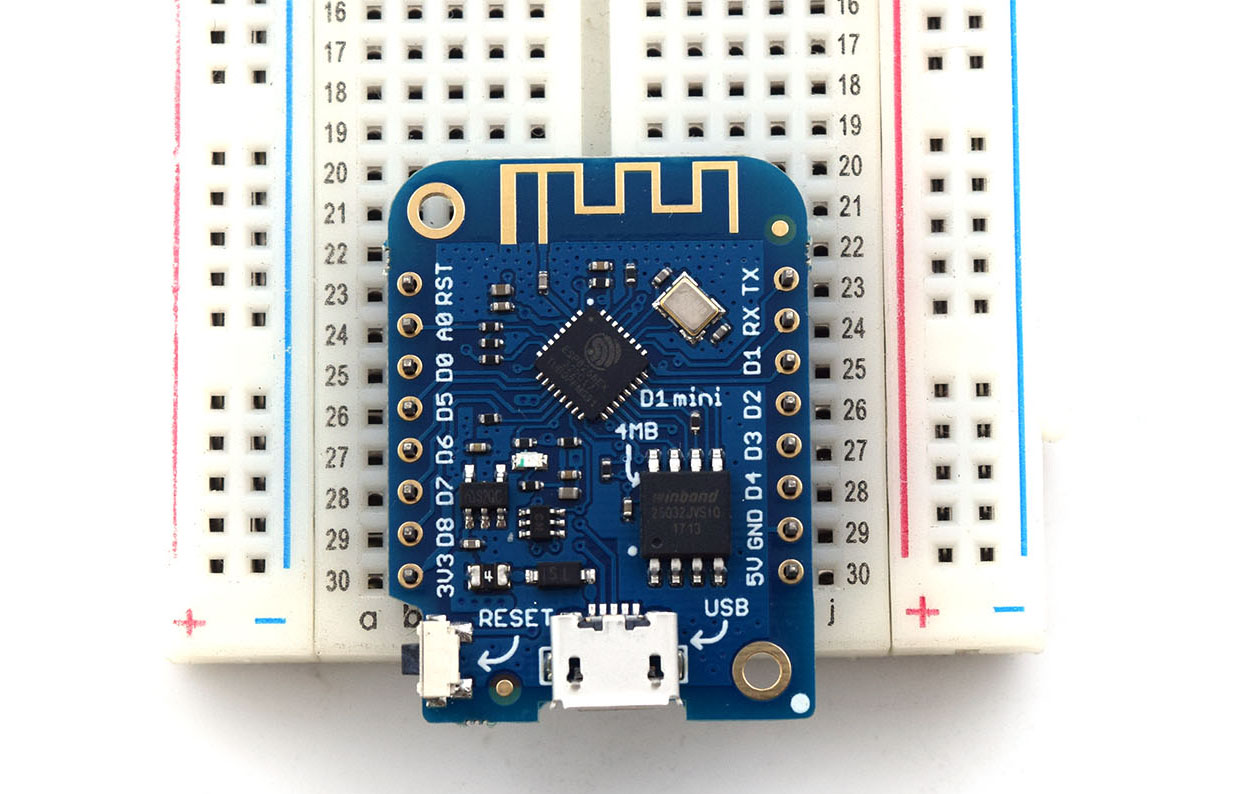
The WeMos D1 Mini is part of the WeMos D1 family of development boards that feature the popular ESP8266 WiFi chip. If you have just purchased this board, then you’re on the right page. This WeMos D1 Mini tutorial will show how to start programming with this device.
Read More »Using the Grove Gesture Sensor
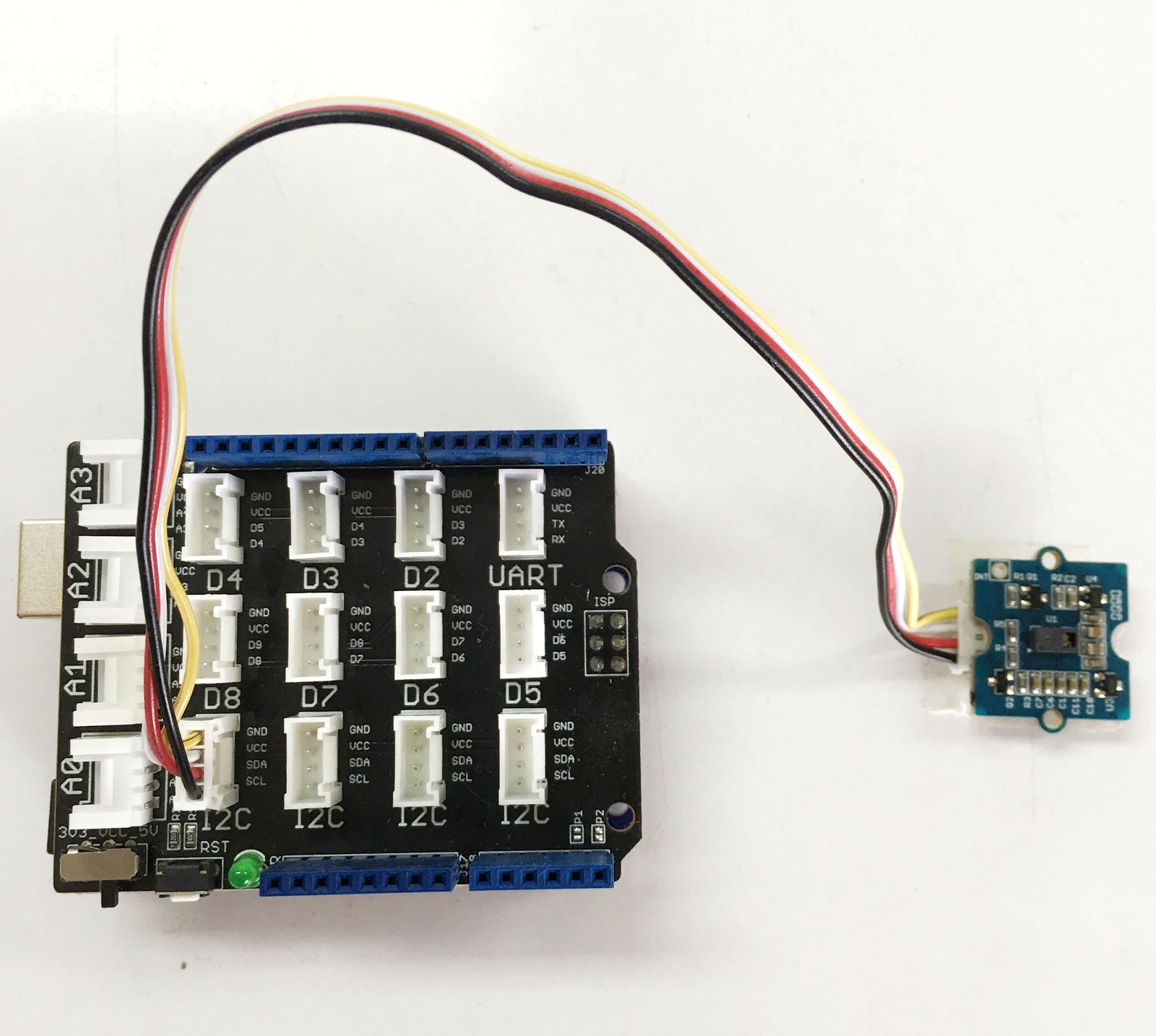
Wouldn’t it be cool if you could control something by just waving your hands? Well, this is what the grove gesture sensor does. In this post, I will show you how to use this sensor with an Arduino and create a simple gesture control project.
Read More »How to Use the MAX7219 Cascaded Dot Matrix Module
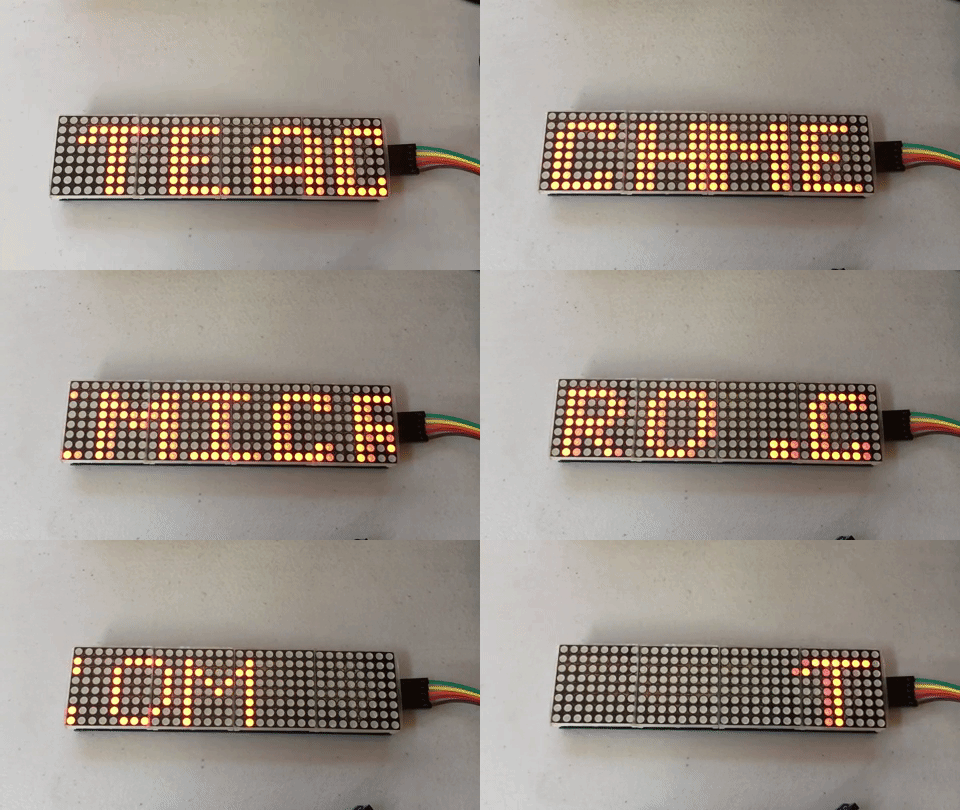
With the 8 x 8 LEDs in a dot matrix, you can create several different characters and graphics. Imagine what you can do if you have a MAX7219 cascaded dot matrix module.
Read More »How to Use Lookup Tables in PIC Assembly
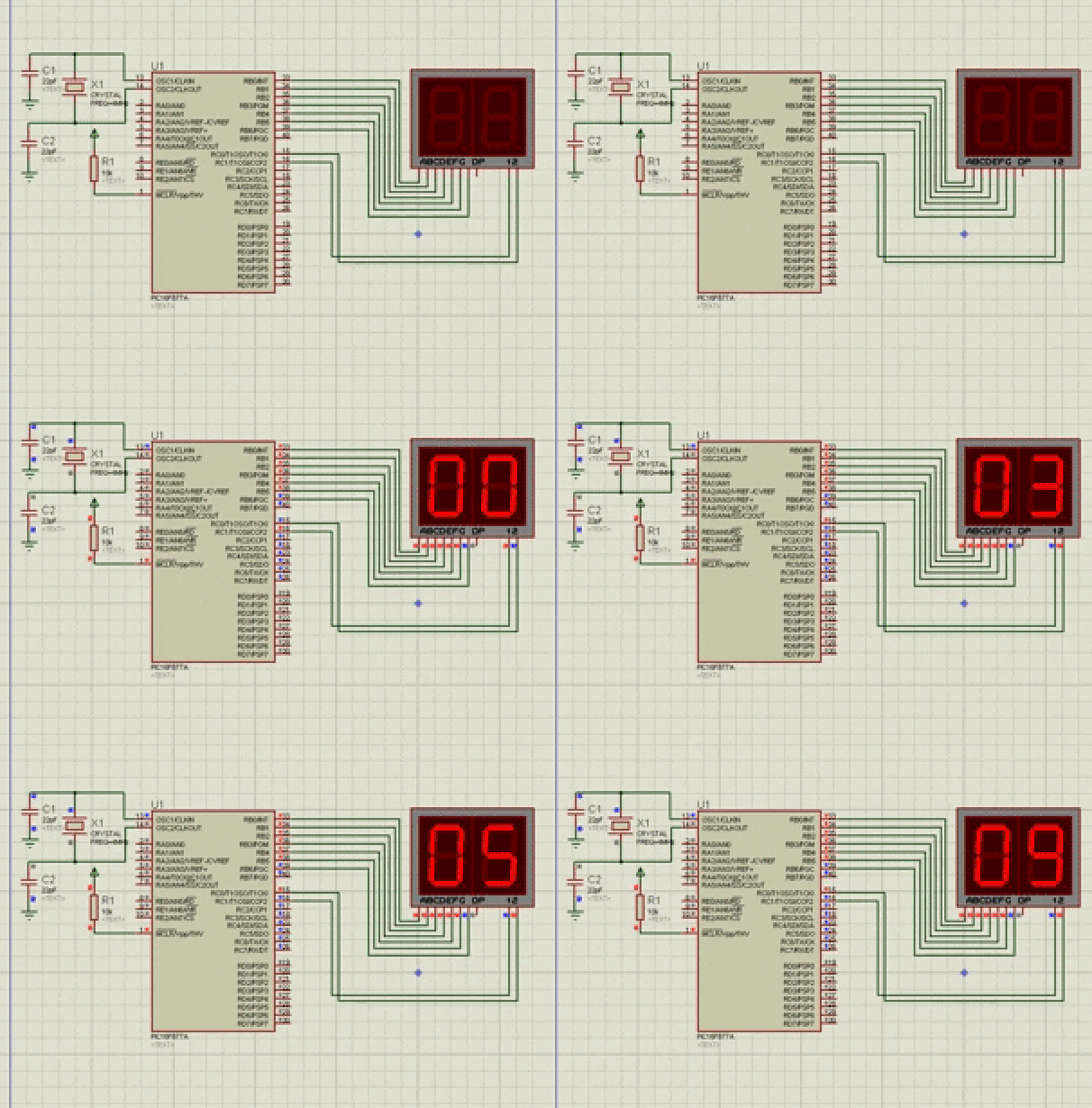
Programming a microcontroller in assembly languages takes time and to reduce that time, embedded systems engineers often have tricks up their sleeves. One of those tricks is the use of lookup tables. In this post, I will share how I use lookup tables in assembly language for the PIC16F84A microcontroller.
Read More »How to Use ADXL345 Accelerometer with Arduino
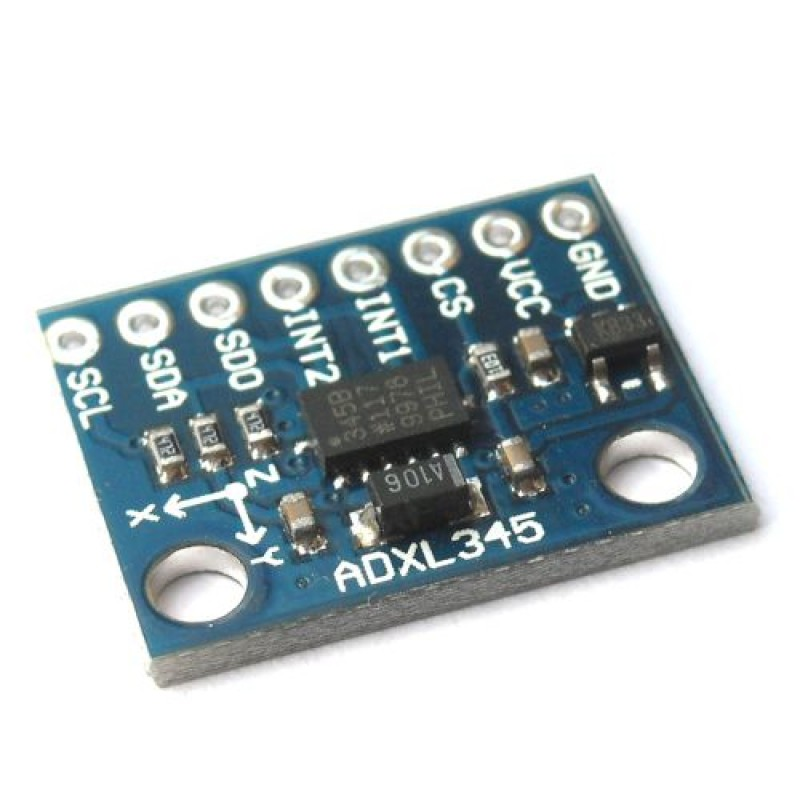
The ADXL345 is an integrated circuit that measures acceleration in 3 axes. Like most sensors, this device comes with an easy-to-use breakout board and is usable through SPI or I2C. This tutorial aims to show how you can interface this accelerometer with an Arduino.
Read More »Get Orientation with Arduino and MPU6050
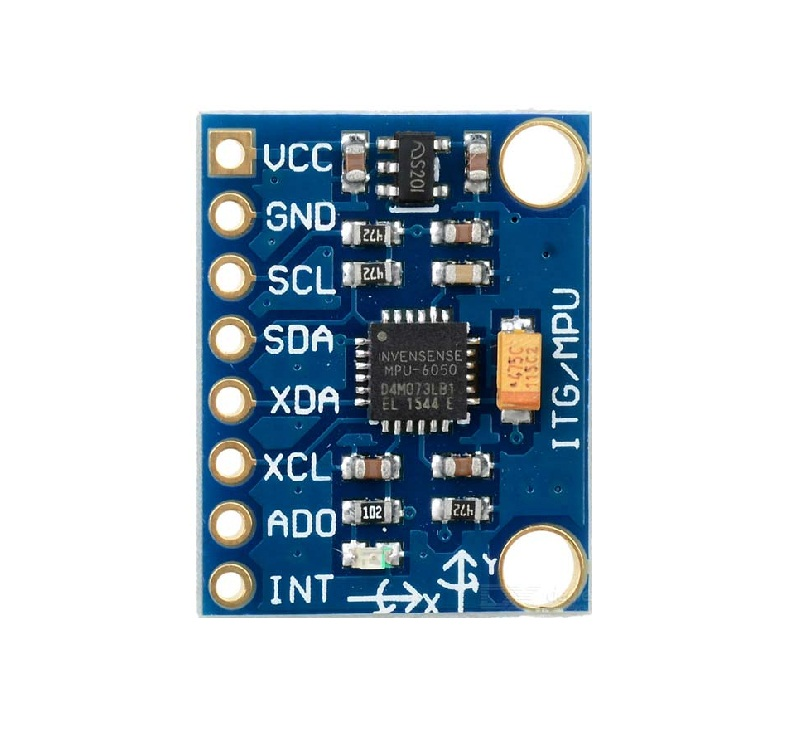
The MPU6050 is a six-axis gyroscope and accelerometer in one package. With its easy-to-use breakout board, it became one of the more popular sensors for the Arduino platform. This article looks into this sensor and teaches how to use it to determine the orientation of an object.
Read More »A Better Arduino Color Sensor using TCS230
Last time, I showed how easy it is to detect colors using the Pixy2 camera. However, the camera’s price might be too expensive for some. Luckily, there is a much cheaper option to implement an Arduino color sensor. The color sensor I’m referring to is the TCS230 (and equivalent TCS3200) …
Read More »