Home / Roland Pelayo (page 9)

Roland Pelayo

I started TMM back in 2015. I’m a firmware and embedded systems engineer with over ten years of experience designing and developing electronic and microcontroller-based products. Over the years, I’ve worked on a wide range of projects, including medical devices, access control and security systems, automation, robotics, wireless communication modules, IoT systems, imaging and sensor instruments, and educational training tools. I’ve built systems using platforms such as PIC, AVR, ESP32, STM32, nRF52, and Raspberry Pi, and I regularly work with protocols like RS485/OSDP, CAN, TCP/IP, Wiegand, and a variety of sensor and communication interfaces. I also develop full-stack solutions for embedded projects, combining firmware, hardware, and web-based dashboards when needed. If there’s a topic you’d like me to write about, or if you need consultation or hands-on development for electronics, embedded, or firmware projects, I’m always open to working on new ideas and collaborations. You can reach me anytime through the contact page.

Flexible PCB Assembly Process for Reliable FPC Builds

Flexible PCB Assembly Process for Reliable FPC Builds

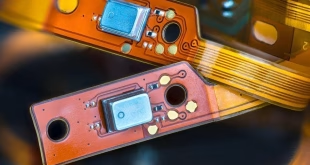
Flexible PCB assembly looks simple until the first build goes wrong. A flex circuit is thin, light, and easy to bend, but those same features make it harder to assemble consistently. The circuit can shift during printing, wrinkle during handling, absorb moisture, expand under heat, or crack near a bend …

Read More »

Insulation Resistance Testing for Maintenance Teams

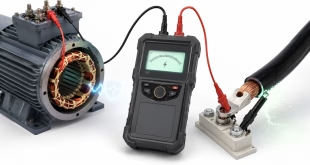
Insulation resistance testing is a cornerstone of electrical preventive maintenance. It catches degradation early — before it causes failures, downtime, or safety hazards. The principle is simple: apply a voltage, measure leakage, calculate resistance. Yet many teams treat it as a pass/fail check, missing the diagnostic depth it offers. The …

Read More »

How to Run an SSH Server on ESP32

ESP32 SSH Server

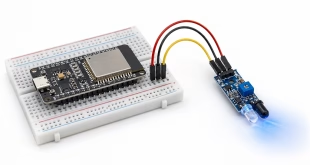
An SSH server on ESP32 lets you log in to your microcontroller over Wi-Fi using a secure terminal connection. Instead of opening the Arduino Serial Monitor through USB, you can connect from a computer, phone, or another device on the same network and send commands remotely. In this tutorial, you …

Read More »