May 29, 2020
Arduino Tutorial
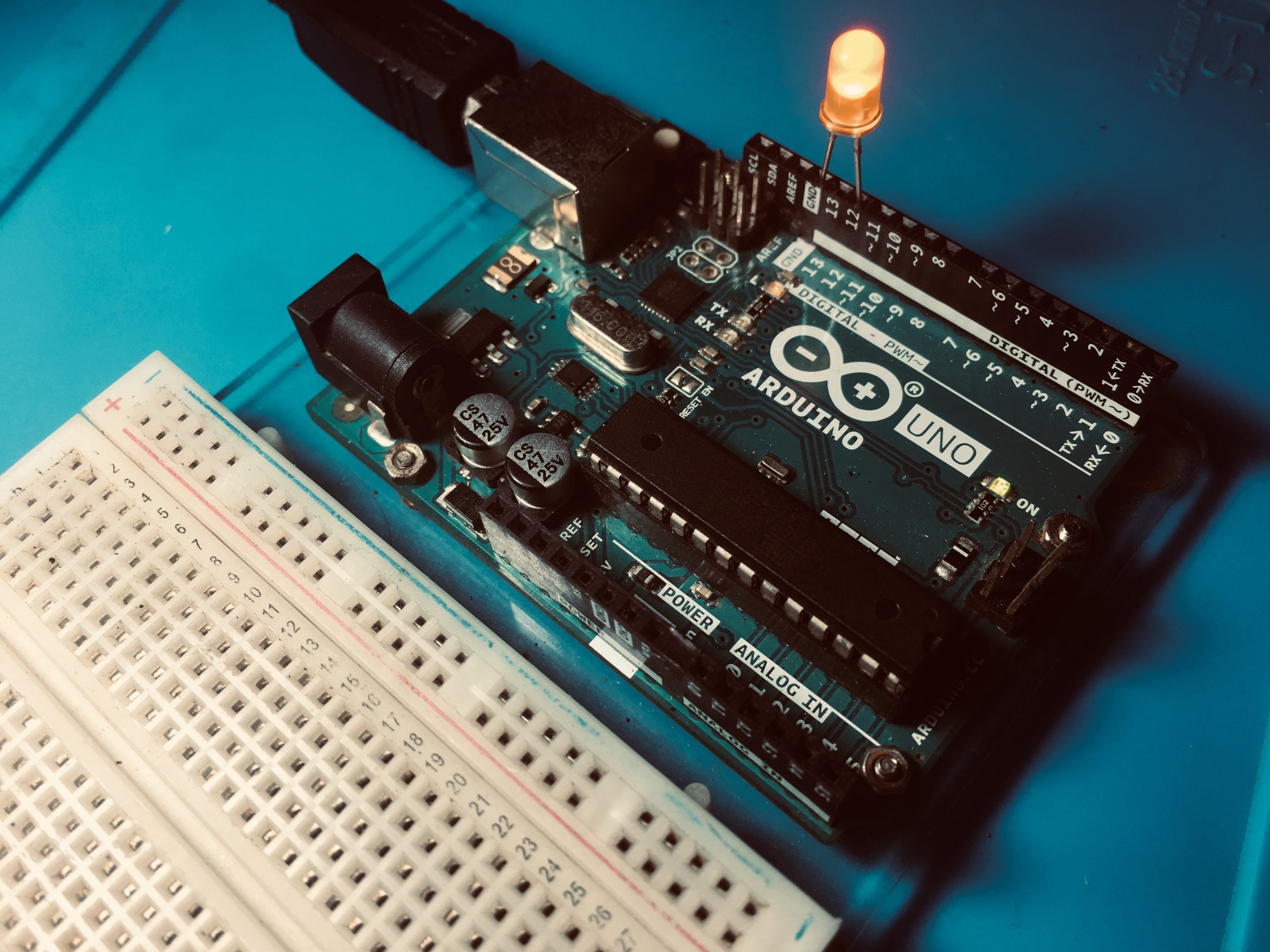
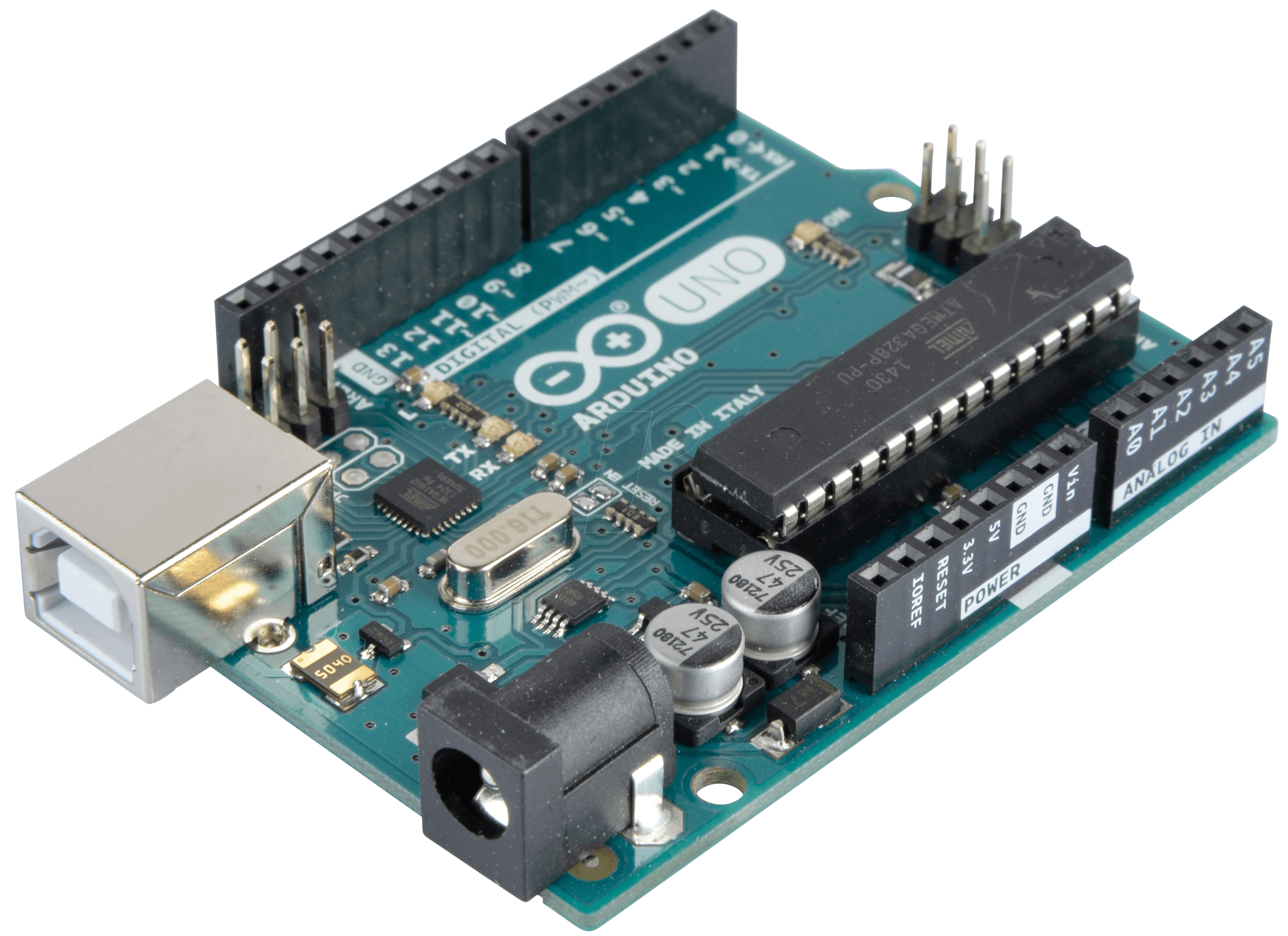
I believe what makes Arduino popular is how it makes microcontrollers easier to use. I remember the time when I have to spent hours coding a project and then spend money on programming hardware. Arduino has its limitations, but the platform helps create tons of electronic projects even for non-engineers. …
Read More »
May 22, 2020
ESP32 Projects, ESP32 Tutorial
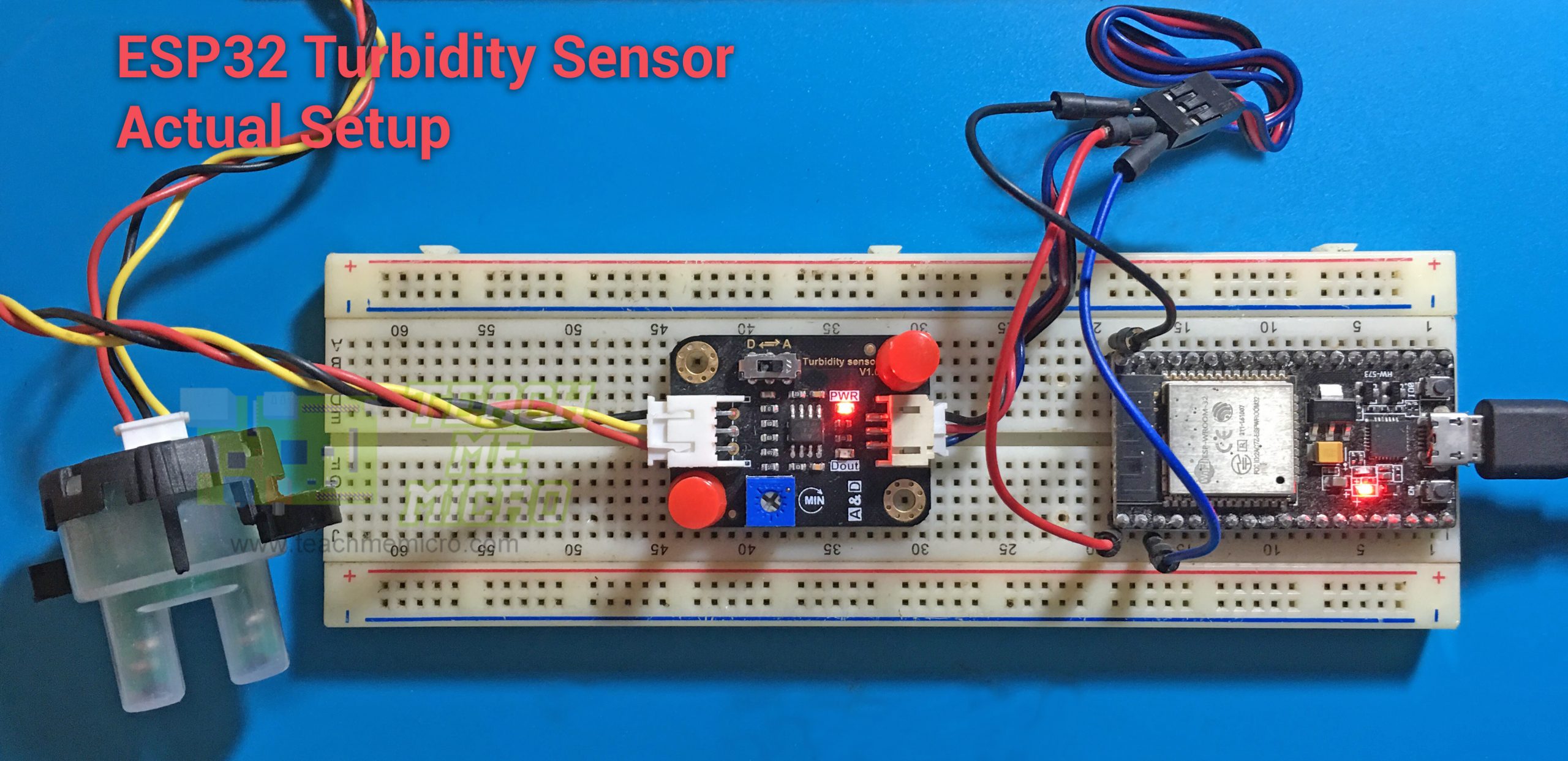
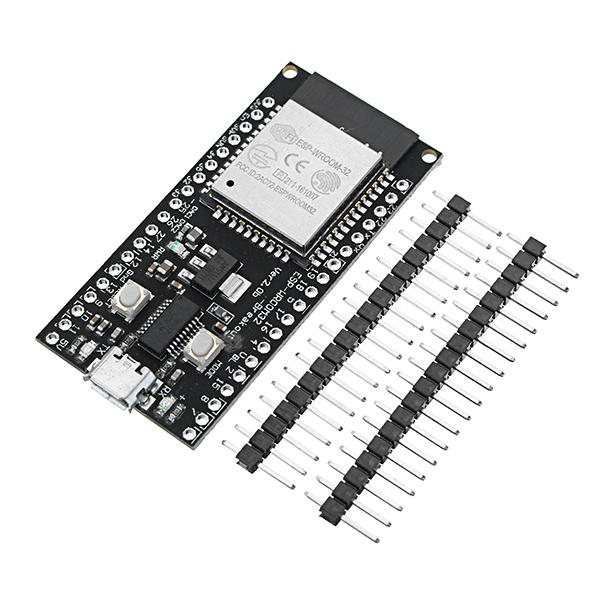
The ESP32 has become one of my favorite microcontrollers as it's compact, relatively cheap, and contains 125% higher memory than an Arduino UNO.
Read More »
April 7, 2020
Raspberry Pi Tutorial
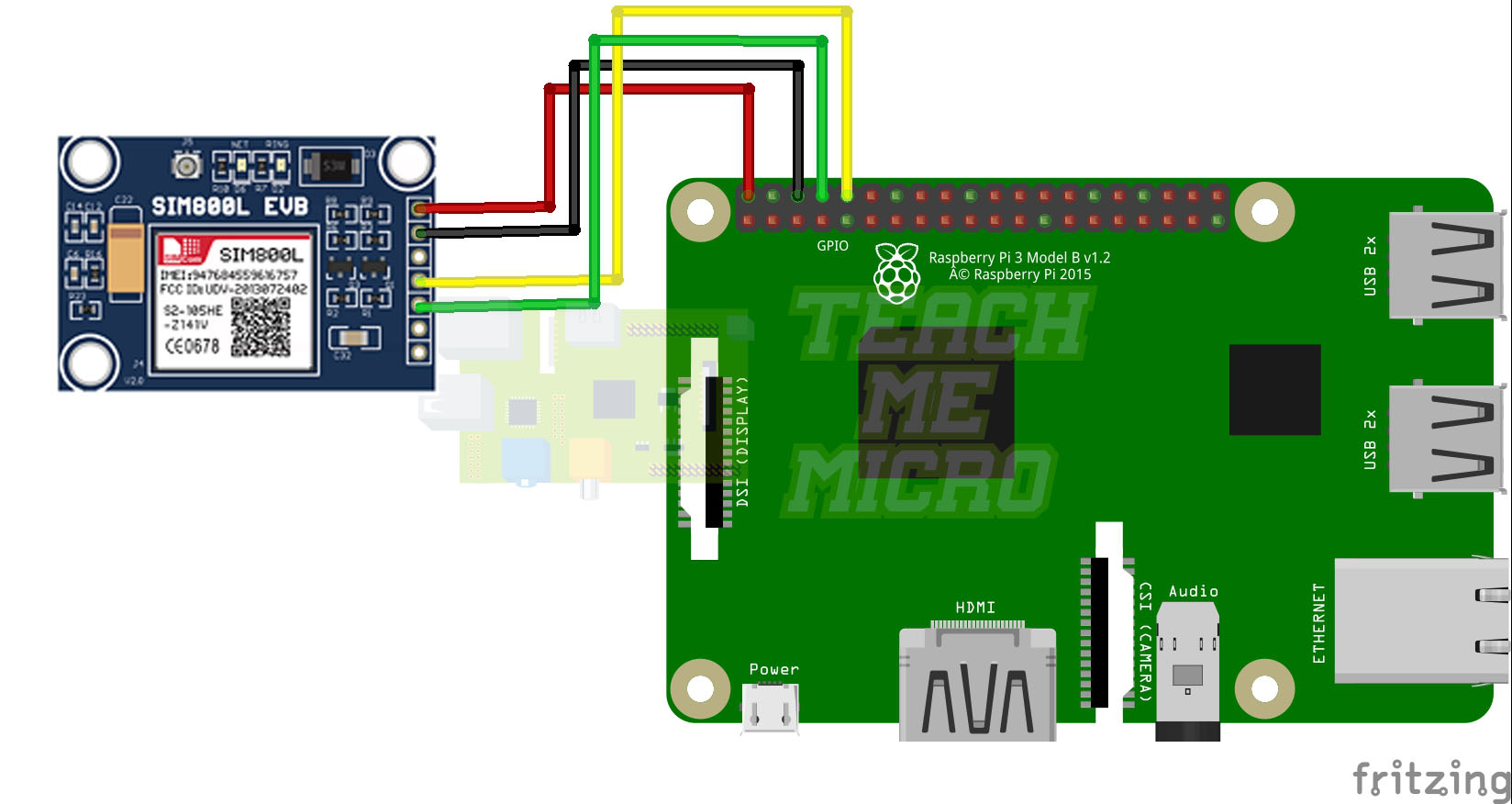
It’s 2020 and sending SMS is now an old technology. But such technology remains to be a cheap and indispensable way to communicate over long distances. In this article, I will share how I send SMS with the Raspberry Pi.
Read More »
April 5, 2020
Arduino Tutorial
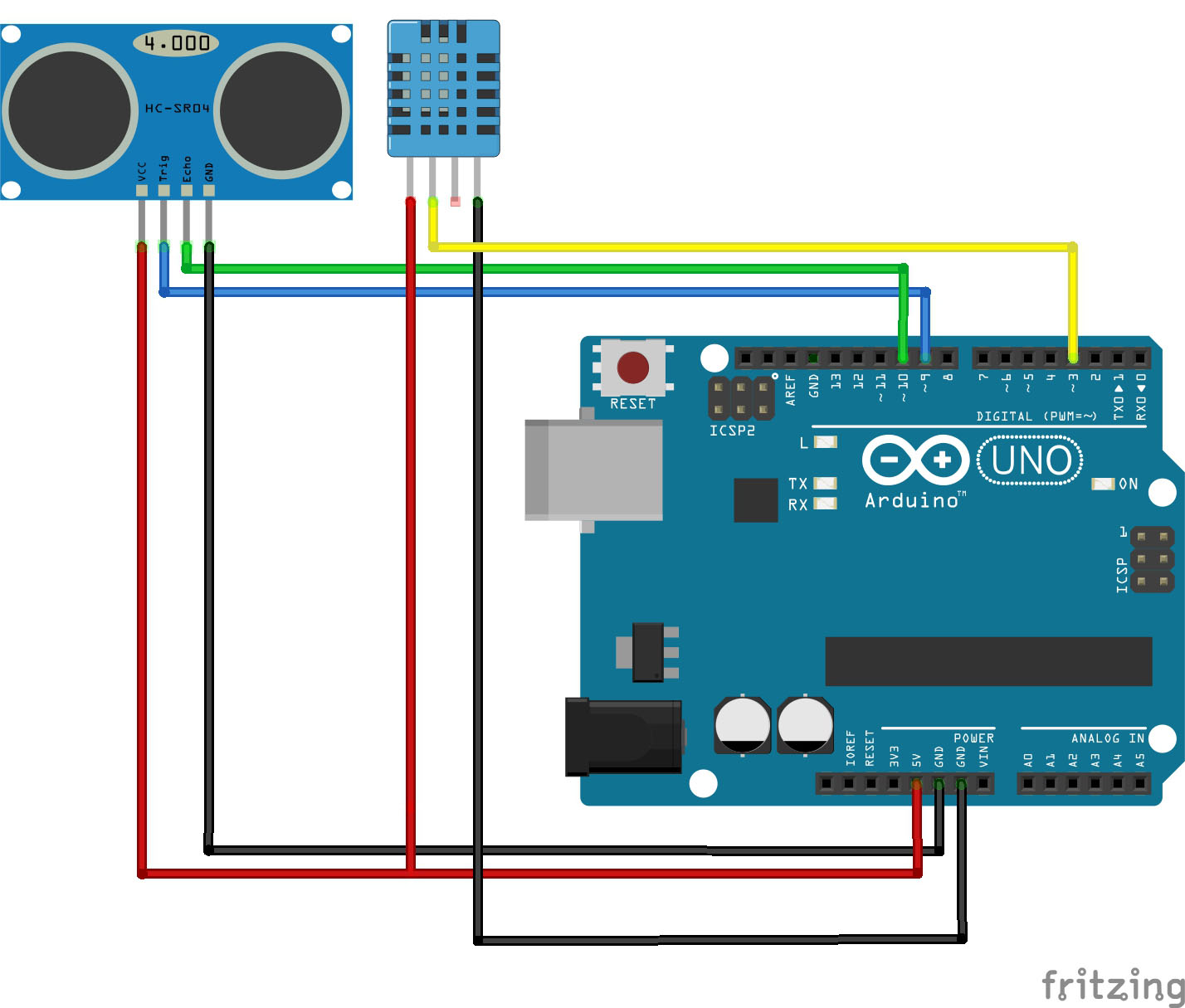
If you've been using Arduino, you might have used or have heard about the ultrasonic sensor. Most of us use it for level/distance measurement while some use it to detect an obstacle in front. What most of us don’t know is that there is an underlying flaw with the ultrasonic …
Read More »
January 29, 2020
Arduino Tutorial
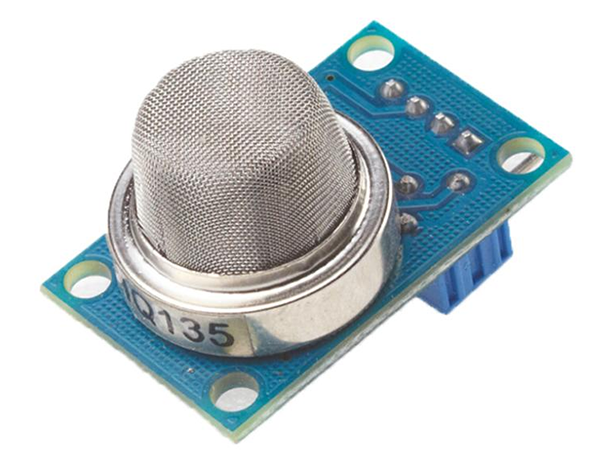
The MQ-135 “air quality” sensor is part of the MQ series of gas sensors that uses a chemical-sensitive element. The resistance of such elements varies when exposed to certain gases. The MQ-135 is sensitive to multiple gases including Benzene, Acetone, Alcohol, and Ammonium.
Read More »
January 19, 2020
ESP32 Tutorial
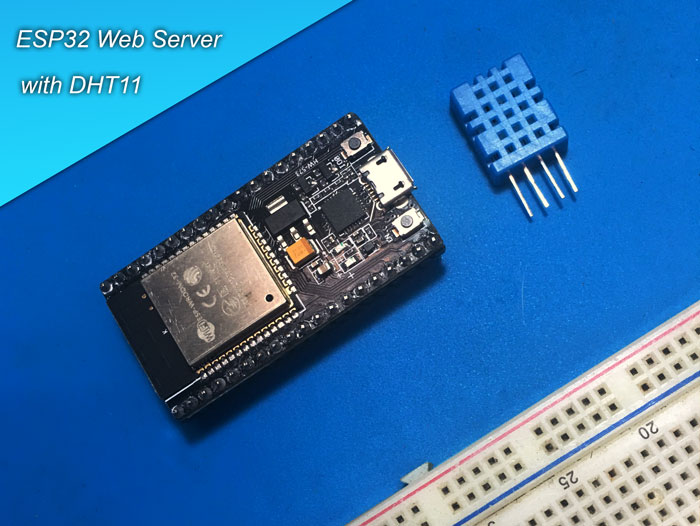
Last time, I showed you how to setup the ESP32 development board with the Arduino programming environment. This time, I will be building a simple ESP32 web server where data from a sensor is displayed on a web page.
Read More »
January 12, 2020
ESP32 Tutorial
The ESP32 expands the capabilities of the popular ESP8266 WiFi microcontroller by using a 32-bit microprocessor, and adding Bluetooth 4.2 among others. What possible projects can we build using this device? We will find out as we start our series for the ESP32.
Read More »
January 2, 2020
Arduino Tutorial
Ever since I wrote about timer interrupts, a number of readers have asked me on how to generate a 16-bit pulse width modulation (PWM) signal with Arduino. Well, here it is.
Read More »
December 13, 2019
Arduino Tutorial
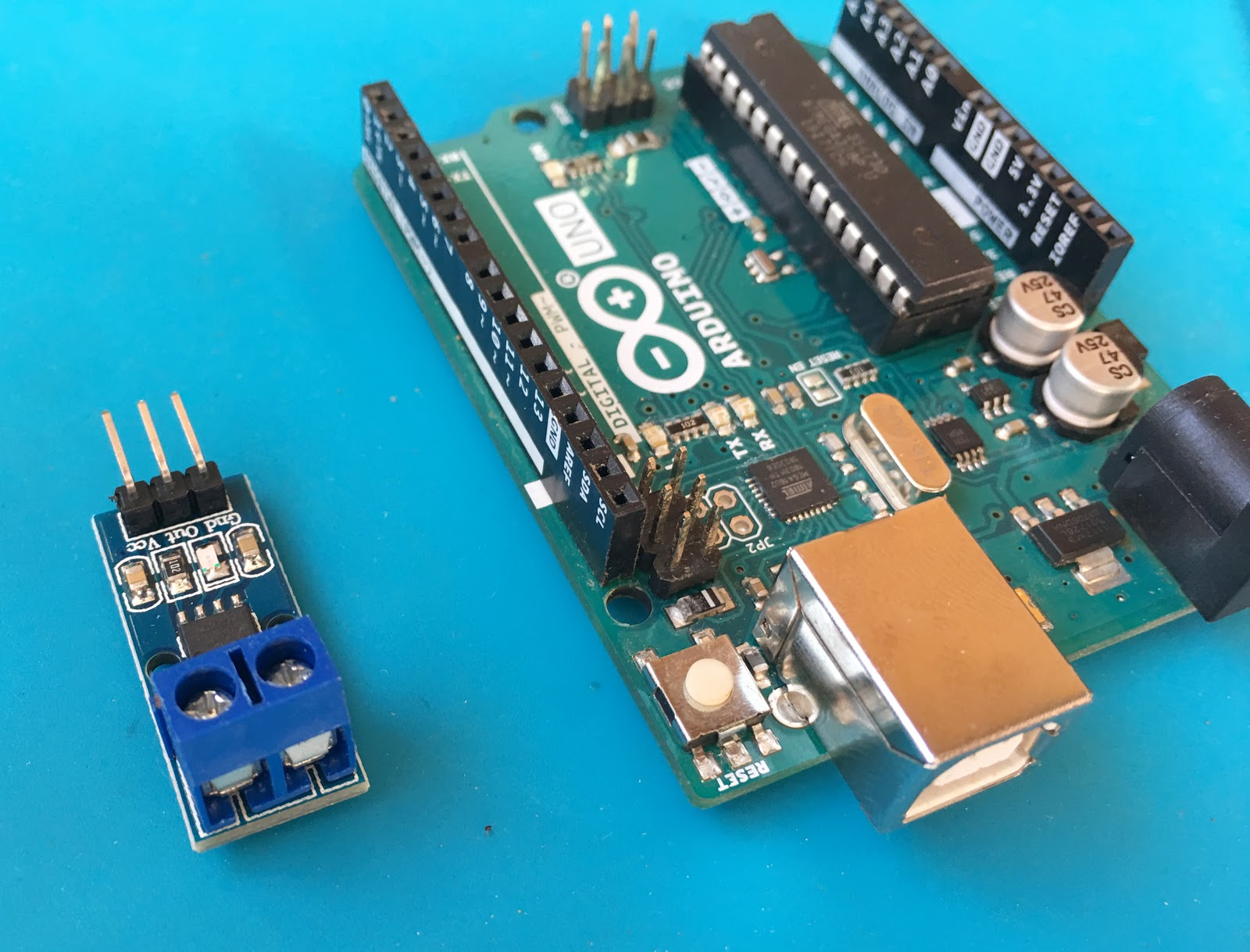
Current sensors can have different applications: power supplies, over-current protection, and motor control to name a few. In this Arduino current sensor tutorial, we will look at how to read current using the ACS712 sensor.
Read More »
December 8, 2019
Arduino Tutorial
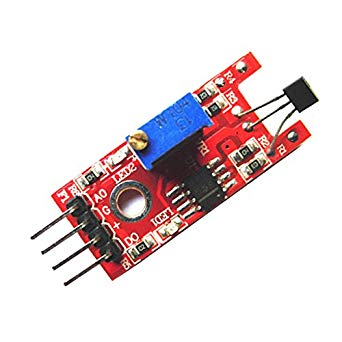
An Arduino magnetic sensor has several uses: for reading the speed of a rotating object, for door alarms and for navigation. In this tutorial, we will build a simple magnet detector using a hall effect sensor.
Read More »