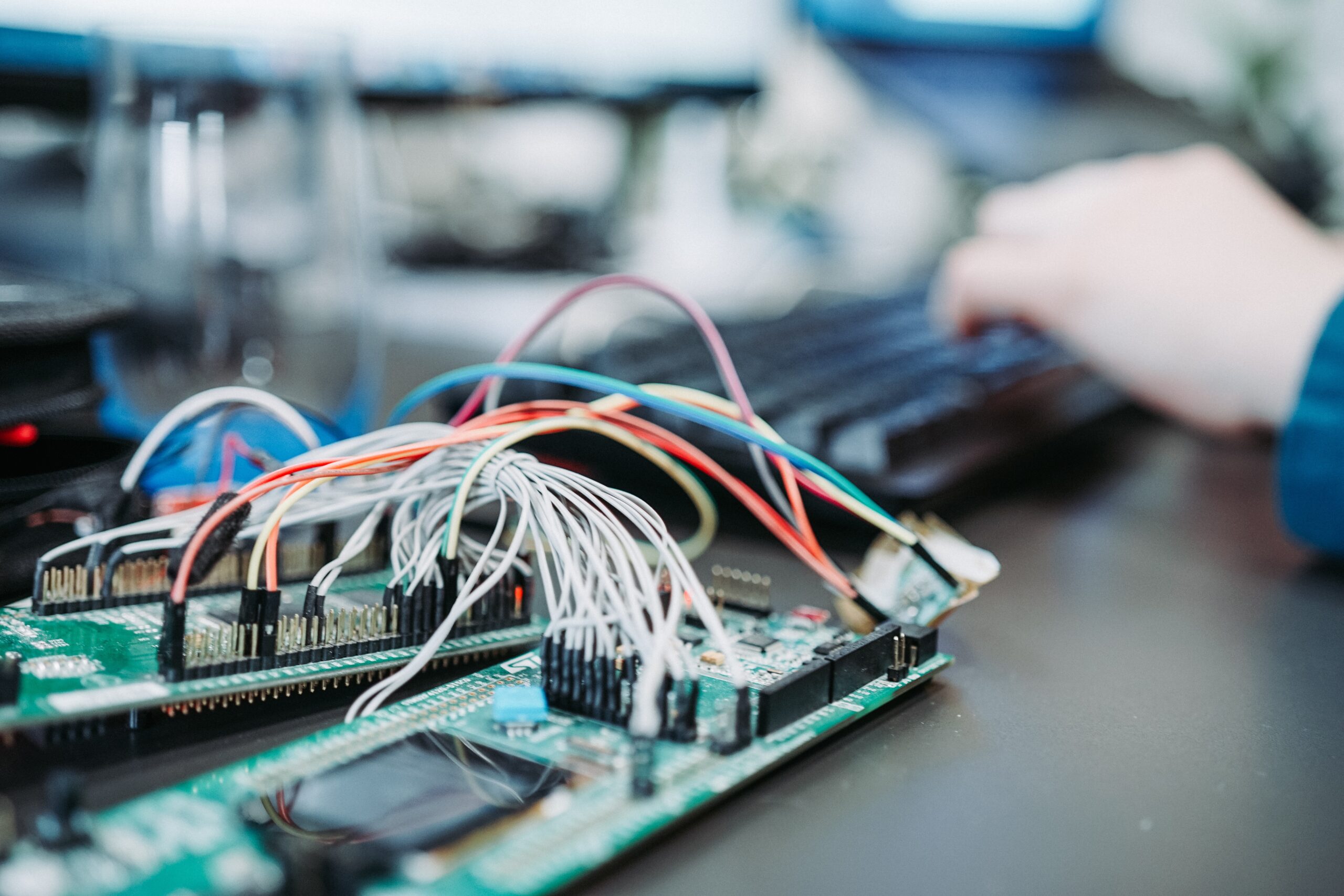
Microcontrollers are the invisible powerhouses driving modern industrial automation. Found in everything from robotic arms to power distribution systems, these small yet powerful integrated circuits are designed to execute specific control functions with precision and reliability. With industries evolving toward smart manufacturing and interconnected systems, the industrial applications of microcontrollers are expanding rapidly, shaping the way factories, energy systems, and industrial plants operate.
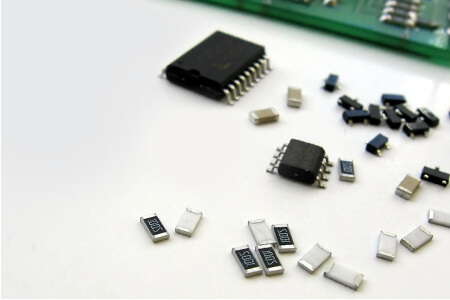
At their core, microcontrollers are compact computing devices that integrate a central processing unit (CPU), memory, and input/output (I/O) peripherals into a single chip. Unlike general-purpose computers, which are built for multitasking, microcontrollers are designed to handle targeted tasks efficiently.
In industrial contexts, these tasks may include monitoring sensors, activating actuators, communicating with other machines, or adjusting processes in real time. Their design makes them ideal for applications requiring reliability, durability, and responsiveness. From programmable logic controllers (PLCs) to embedded controllers in specialized machinery, microcontrollers have become central to the industrial landscape.
The industrial applications of microcontrollers are vital for:
Reducing manual labor and human error.
Increasing efficiency and throughput.
Enhancing worker safety.
Enabling predictive maintenance and smart analytics.
Process Automation and Control
One of the most fundamental industrial applications of microcontrollers lies in process automation. Industries rely on microcontrollers to monitor, regulate, and optimize production lines.
Take a food processing plant as an example. Microcontrollers handle tasks like:
Maintaining consistent oven temperatures.
Synchronizing conveyor belts.
Managing filling machines to ensure precise quantities.
Controlling packaging and labeling machines.
Without microcontrollers, these tasks would require expensive, bulky, and less reliable hardware.
In industries like petrochemicals or pharmaceuticals, precision in process automation is even more critical. Here, microcontrollers ensure that chemical mixtures occur under the correct temperature, pressure, and timing conditions. Any deviation can compromise product safety and quality, making microcontrollers indispensable.
Motor Control and Robotics
Modern industry depends heavily on electric motors, whether they power conveyor belts, pumps, or industrial robots. Microcontrollers enable precise motor control, adjusting speed, torque, and direction based on sensor feedback.
Industrial Robotics
Robots are a prime example of advanced industrial applications of microcontrollers. From pick-and-place robots on assembly lines to welding arms in automotive plants, microcontrollers provide the real-time decision-making needed for accurate and repeatable motion.
For instance, microcontrollers process feedback from rotary encoders and gyroscopic sensors to ensure robotic arms move to exact positions. They also coordinate with vision systems to identify objects, track movement, and perform delicate operations.
CNC Machines
Computer Numerical Control (CNC) machines—used for cutting, milling, and drilling—depend on microcontrollers to interpret design files and translate them into precise motor actions. This allows manufacturers to produce complex parts with tight tolerances, essential for aerospace, automotive, and electronics industries.
Power Management and Energy Systems
Energy consumption is one of the largest costs in industrial operations. Microcontrollers provide solutions for efficient power management by monitoring usage, controlling loads, and optimizing power distribution.
Renewable Energy
In solar power systems, microcontrollers manage charge controllers that regulate the charging and discharging of batteries. They track the maximum power point (MPPT) to extract the most energy from solar panels. Similarly, in wind energy systems, microcontrollers adjust blade angles and regulate inverters to maintain stable output.
Industrial Power Distribution
Factories often operate under strict power quality standards. Microcontrollers embedded in power distribution systems help detect overloads, harmonics, and voltage fluctuations. They can isolate faulty sections, preventing entire plants from shutting down.
By ensuring stable and efficient energy usage, microcontrollers contribute to cost savings and sustainability goals.
Industrial Safety Systems
Safety is non-negotiable in any industrial environment. Microcontrollers form the backbone of many safety-critical systems by providing real-time monitoring and rapid response.
Emergency Shutdown Systems
In oil refineries or chemical plants, microcontrollers detect abnormal pressure, temperature, or gas leaks and immediately trigger emergency shutdowns. These rapid actions can prevent catastrophic accidents.
Machine Guarding
Microcontrollers also power machine safety systems, such as light curtains or emergency stop buttons. When a worker breaches a safety zone, the microcontroller halts machine operations instantly.
Fire and Gas Detection
Industrial plants rely on microcontrollers for fire alarms, smoke detection, and gas leak sensors. These systems not only sound alarms but also activate suppression systems or ventilation to mitigate hazards.
The role of microcontrollers in industrial safety cannot be overstated—they save lives and protect valuable equipment.
Communication and Networking in Industry 4.0
The shift toward Industry 4.0 emphasizes smart factories where machines communicate seamlessly. Microcontrollers are central to this evolution, enabling data exchange between machines, control systems, and enterprise networks.
They support industrial communication protocols like:
Modbus: For communication between sensors, controllers, and HMIs.
CAN (Controller Area Network): Widely used in automotive and industrial systems for reliable, real-time data transfer.
Profibus/Profinet: Common in factory automation for linking PLCs and distributed I/O devices.
By enabling real-time data collection and communication, microcontrollers allow predictive maintenance, resource optimization, and integration with cloud-based platforms.
Environmental Monitoring and Compliance
Industries operate under strict environmental regulations. Microcontrollers help maintain compliance by monitoring environmental conditions both inside factories and in surrounding areas.
Examples include:
Air quality monitoring: Measuring emissions from industrial stacks.
Temperature and humidity control: Ensuring clean rooms in pharmaceutical and semiconductor manufacturing remain within strict tolerances.
Water treatment: Controlling pumps, filters, and sensors in wastewater plants.
These industrial applications of microcontrollers not only protect the environment but also ensure compliance with government regulations, avoiding costly penalties.
Industry-Specific Applications
The versatility of microcontrollers allows them to be tailored to different industrial sectors.
Automotive Manufacturing
Microcontrollers control robotic welders, painting systems, and assembly lines. They also manage end-of-line testing equipment that ensures vehicles meet quality standards.
Oil and Gas
Microcontrollers monitor drilling equipment, regulate pumps, and oversee safety systems like blowout preventers.
Food and Beverage
They ensure hygienic conditions by controlling pasteurization temperatures, packaging processes, and automated cleaning systems.
Pharmaceuticals
Microcontrollers guarantee compliance with Good Manufacturing Practices (GMP) by regulating batch processes, controlling sterile environments, and tracking production data.
Textiles
In textile mills, microcontrollers regulate looms, dyeing machines, and finishing processes to ensure product consistency.
Each industry adapts microcontrollers to its unique challenges, reinforcing their universal importance.
Advantages of Using Microcontrollers in Industrial Applications
The widespread adoption of microcontrollers in industry comes down to several benefits:
Cost-Effectiveness: They reduce the need for bulky, expensive controllers.
Scalability: Easily adaptable to small-scale or large-scale automation projects.
Reliability: Built to handle continuous, long-term operation in harsh conditions.
Flexibility: Programmable to meet specific process needs.
Real-Time Performance: Capable of immediate response to changing conditions.
These advantages make microcontrollers the go-to solution for industrial engineers and automation specialists.
Case Studies of Microcontrollers in Industry
Automotive Plant Automation
In an automotive assembly line, microcontrollers synchronize welding robots, conveyor belts, and quality inspection systems. The result is a seamless production flow where cars are assembled faster, with fewer defects.
Smart Grid Management
Utility companies use microcontrollers in smart meters to measure electricity consumption in real time. These meters communicate data back to central systems, helping balance supply and demand across the grid.
Pharmaceutical Production
In drug manufacturing, microcontrollers manage temperature-controlled reactors. This ensures that sensitive compounds are produced under precise conditions, guaranteeing product safety and efficacy.
Challenges in Industrial Applications
Despite their advantages, microcontrollers face challenges in industrial environments:
Harsh conditions: Dust, heat, and vibrations can affect performance.
Cybersecurity risks: As microcontrollers connect to networks, they become vulnerable to cyberattacks.
Complexity of integration: Combining microcontrollers with legacy systems requires careful planning.
Addressing these challenges often involves ruggedized hardware, robust encryption protocols, and thoughtful system design.
The Future of Microcontrollers in Industry
The future of industrial applications of microcontrollers is tied closely to advancements in technology:
Artificial Intelligence (AI): Integration of AI into microcontrollers will allow for smarter decision-making at the edge, reducing reliance on centralized systems.
IoT Connectivity: Microcontrollers will increasingly connect machines to the Industrial Internet of Things (IIoT), enhancing predictive maintenance and real-time analytics.
Low-Power Designs: Energy-efficient microcontrollers will reduce operational costs and support green initiatives.
Edge Computing: With more processing happening on-site, microcontrollers will help reduce latency and reliance on cloud computing.
These developments promise even greater efficiency, safety, and adaptability in industrial systems.
Conclusion
The industrial applications of microcontrollers cover a wide spectrum: from process automation and motor control to safety, environmental monitoring, and communication. Their ability to provide precise control, real-time responsiveness, and cost-effective solutions makes them indispensable in modern industry.
As industries embrace digital transformation, the importance of microcontrollers will only grow. They are not just supporting tools but fundamental enablers of industrial progress—driving efficiency, ensuring safety, and shaping the factories of the future.
FAQs
Q1: What are the main industrial applications of microcontrollers? Microcontrollers are used in automation, robotics, motor control, power management, safety systems, and industrial networking.
Q2: Why are microcontrollers important in industrial automation? They provide precise control, real-time monitoring, and reliable operation, making automation cost-effective and efficient.
Q3: How are microcontrollers used in robotics? Microcontrollers process sensor feedback to control motors and enable precise, repeatable robotic movements in manufacturing and assembly.
Q4: What industries benefit most from microcontrollers? Industries such as automotive, oil and gas, pharmaceuticals, food processing, and renewable energy rely heavily on microcontrollers.
Q5: What is the future of industrial applications of microcontrollers? Future trends include integration with AI, IoT connectivity, low-power designs, and edge computing for smarter and more efficient industrial systems.