Home / Roland Pelayo (page 44)

Roland Pelayo

I started TMM back in 2015. I’m a firmware and embedded systems engineer with over ten years of experience designing and developing electronic and microcontroller-based products. Over the years, I’ve worked on a wide range of projects, including medical devices, access control and security systems, automation, robotics, wireless communication modules, IoT systems, imaging and sensor instruments, and educational training tools. I’ve built systems using platforms such as PIC, AVR, ESP32, STM32, nRF52, and Raspberry Pi, and I regularly work with protocols like RS485/OSDP, CAN, TCP/IP, Wiegand, and a variety of sensor and communication interfaces. I also develop full-stack solutions for embedded projects, combining firmware, hardware, and web-based dashboards when needed. If there’s a topic you’d like me to write about, or if you need consultation or hands-on development for electronics, embedded, or firmware projects, I’m always open to working on new ideas and collaborations. You can reach me anytime through the contact page.

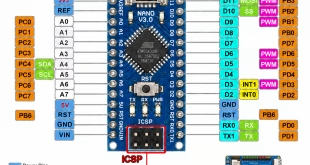
Arduino Nano Pinout Diagram

Arduino Nano Pinout

The Arduino Nano is a compact, breadboard-friendly ATmega328P development board with 14 digital I/O pins, eight analog inputs, six PWM outputs, and hardware support for UART, I2C, and SPI. This guide provides a complete Arduino Nano pinout, including GPIO functions, communication pins, power connections, and the ATmega328P port mapping. You’ll …

Read More »

Raspberry Pi Ultrasonic Sensor Tutorial

Raspberry Pi Ultrasonic Sensor tutorial

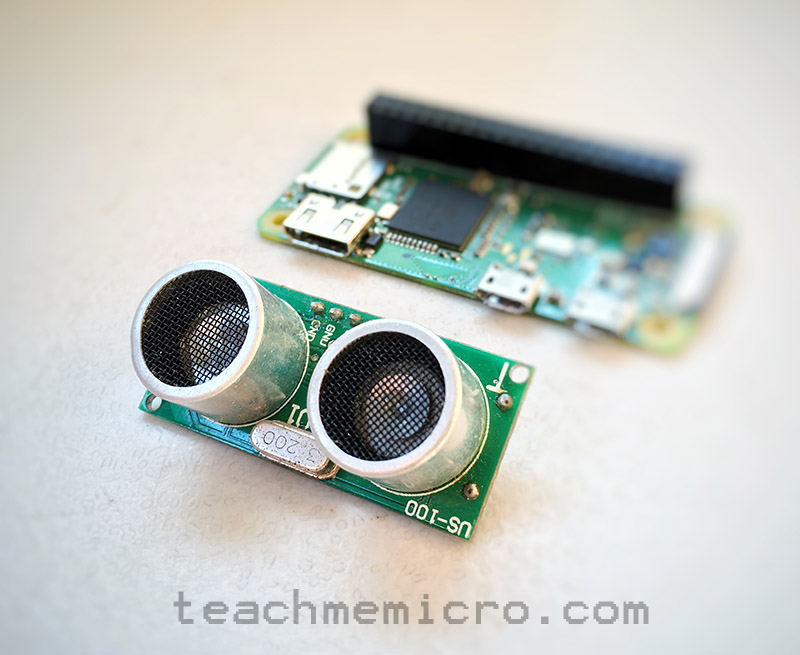
An ultrasonic sensor is a common tool for measuring the distance of an object in front of it. While I recommend using an Arduino with ultrasonic sensor to achieve real-time results, it is still possible to use the sensor with a Raspberry Pi. This tutorial shows you how to build …

Read More »

ESP8266 NodeMCU DHT22 Interfacing Tutorial

NodeMCU DHT22

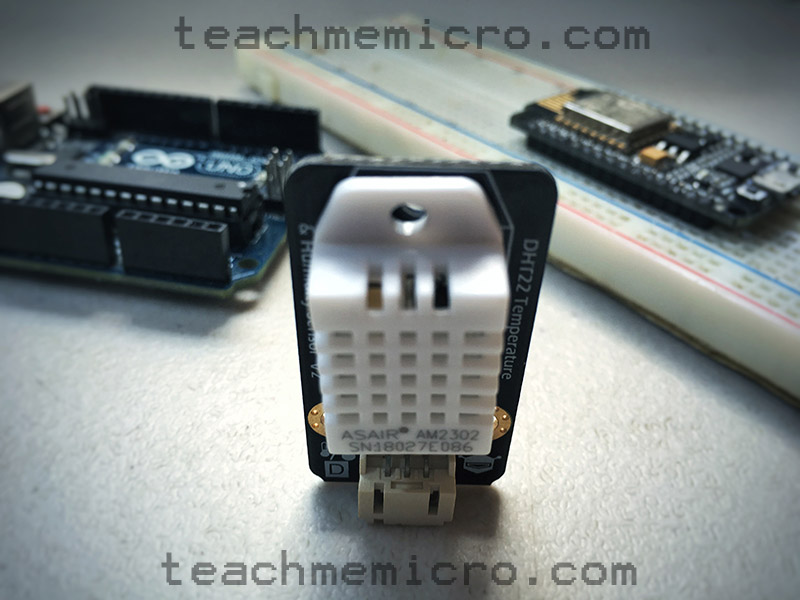
The DHT22 is a temperature and humidity sensor in one package. It is widely used mainly due to its price but also because of it being robust and user-friendly. In this NodeMCU DHT22 interfacing tutorial, I will guide you in creating an IoT-based weather monitoring project with ESP8266.

Read More »