March 15, 2018
Arduino Tutorial
The MQ-3 alcohol sensor is useful for projects that tests levels of alcohol, benzine, hexane or LPG in the air but it is most popularly used as a breathalyzer (breath analyzer) for someone who drank beer, wine or other liquor. Learn how to use this gas sensor in this tutorial.
Read More »
March 14, 2018
Arduino Tutorial, PIC Tutorial
You can drive an LED on or off using a microcontroller like Arduino or PIC. There’s no problem there because the 20 mA or so current from the pins is enough. You can’t drive loads that require much more current like a motor. This is where the L298N motor controller …
Read More »
March 13, 2018
STM32 Tutorial
Debugging through the serial port is one of the ways to find errors in your code. In this tutorial, I'll show you how to add serial communication function to your STM32 Nucleo board.
Read More »
March 13, 2018
STM32 Tutorial
We managed to blink an LED in the previous tutorial. This time, still featuring the STM32F1 Nucleo, we will add a button that will control the attached LED and a simple clap switch.
Read More »
March 10, 2018
STM32 Tutorial
On the previous tutorial, we managed to create our first program with the STM32 Nucleo board. Now we will dig deeper on the pinout and other functionalities of the board.
Read More »
March 9, 2018
STM32 Tutorial
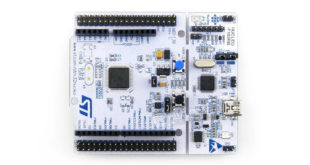
The STM32 Nucleo boards by ST pack a lot more power than an Arduino UNO and have headers aligned the same way with the latter which makes it compatible with Arduino shields.
Read More »
February 28, 2018
Arduino Tutorial
A thermistor is a special resistor whose resistance varies with temperature. Learn how to interface a thermistor with a microcontroller in this tutorial.
Read More »
February 22, 2018
Raspberry Pi Tutorial
The Raspberry Pi comes with a camera connector on board. But if you don't want to buy the official camera and use a web camera instead, you can! I'll show you how to display a video from the webcam on a web server hosted by a Raspberry Pi
Read More »
February 22, 2018
Raspberry Pi Tutorial
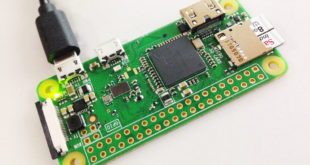
I finally got my hands on a Raspberry Pi Zero W and started the usual tinkering. For those unaware, this smaller version of the Raspberry Pi packs a 1 GHz CPU and 512 MB of RAM. But what excites me the most is the WiFI and Bluetooth connectivity that comes …
Read More »
February 8, 2018
ESP8266 Tutorial
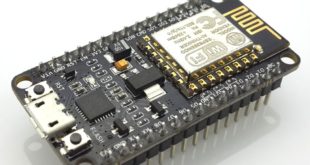
You can use WiFi with the NodeMCU (ESP8266) even without a WiFi router. All you need to do is create a NodeMCU WiFi Access Point and the device will now act as a WiFi gateway.
Read More »