June 7, 2019
Arduino Tutorial, Sensor Tutorial
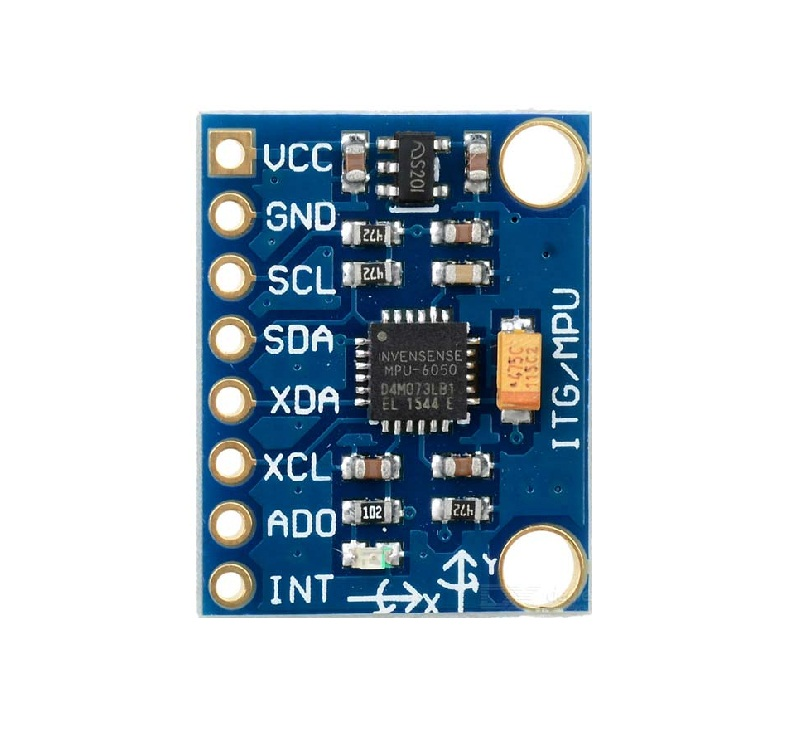
The MPU6050 is a six-axis gyroscope and accelerometer in one package. With its easy-to-use breakout board, it became one of the more popular sensors for the Arduino platform. This article looks into this sensor and teaches how to use it to determine the orientation of an object.
Read More »
June 6, 2019
Arduino Tutorial, Sensor Tutorial
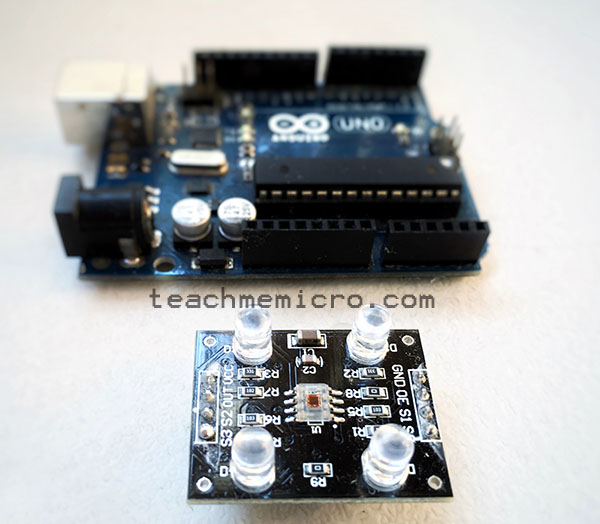
Last time, I showed how easy it is to detect colors using the Pixy2 camera. However, the camera’s price might be too expensive for some. Luckily, there is a much cheaper option to implement an Arduino color sensor. The color sensor I’m referring to is the TCS230 (and equivalent TCS3200) …
Read More »
May 27, 2019
Arduino Tutorial, Sensor Tutorial
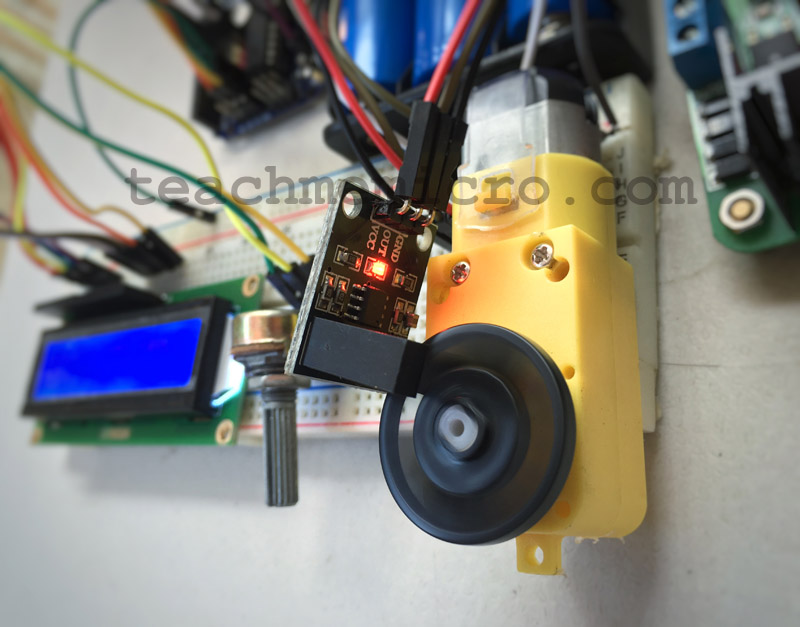
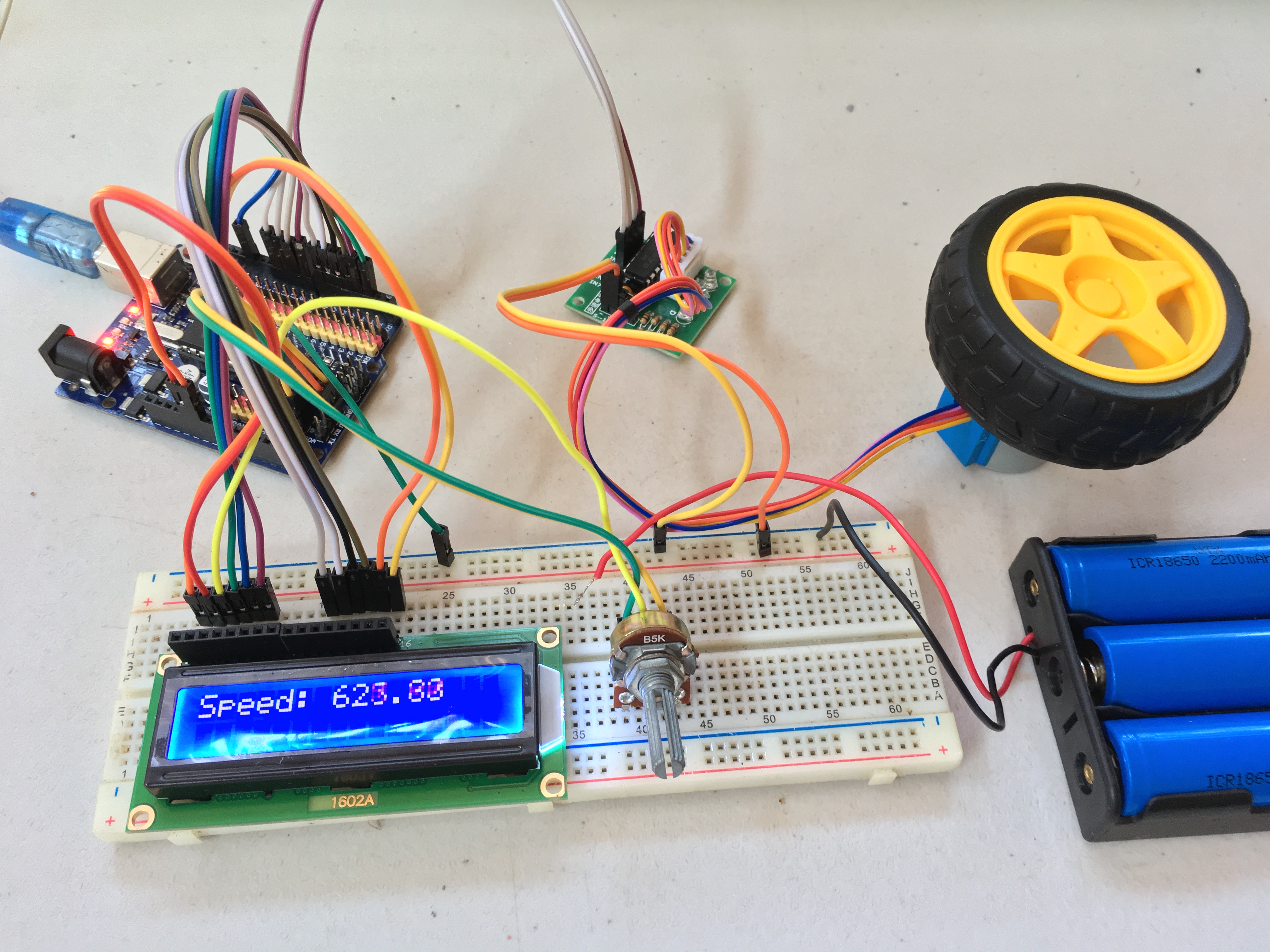
Unlike stepper and servo motors, precision control for DC motors is impossible unless a sort of feedback mechanism is employed. If your application requires a consistent motor speed or a stimulant-dependent speed then you certainly need feedback. This tutorial aims to develop a simple motor speed sensor for a more …
Read More »
May 21, 2019
Arduino Tutorial
The 28BYJ-48 stepper motor is a cheap and robust stepper motor, suitable for use on robotics and other slow-speed applications. In this tutorial, I will guide you on how to use this stepper motor with Arduino.
Read More »
May 16, 2019
Raspberry Pi Tutorial
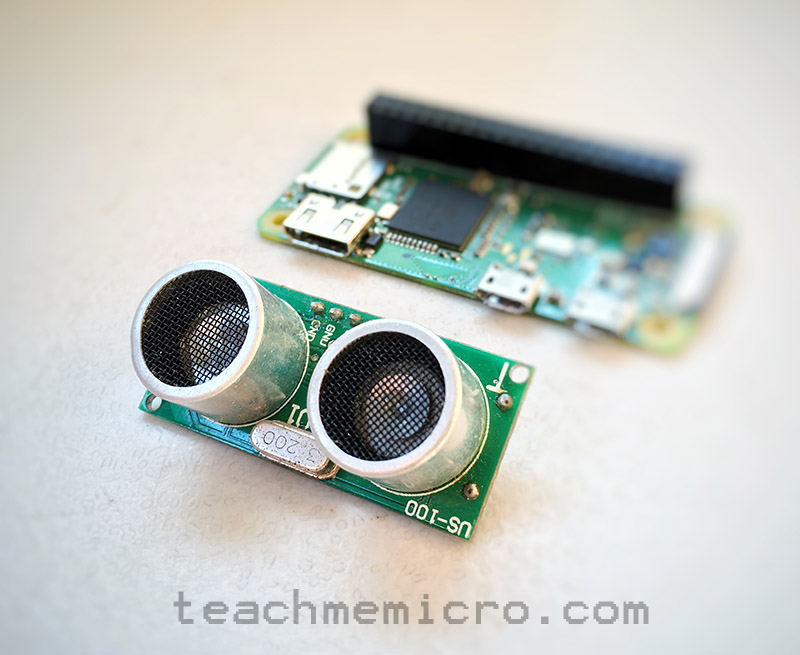
An ultrasonic sensor is a common tool for measuring the distance of an object in front of it. While I recommend using an Arduino with ultrasonic sensor to achieve real-time results, it is still possible to use the sensor with a Raspberry Pi. This tutorial shows you how to build …
Read More »
May 6, 2019
Arduino Tutorial, Sensor Tutorial
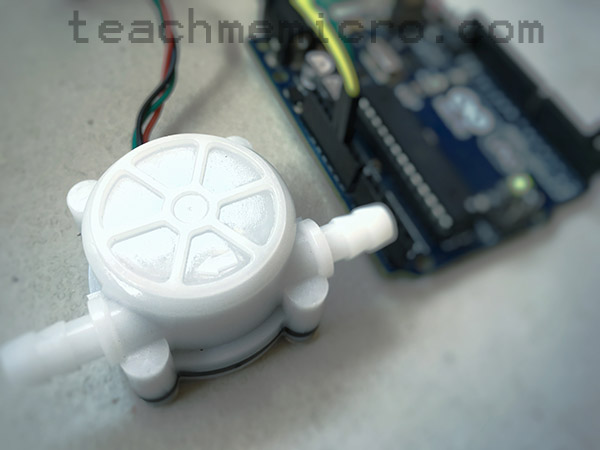
A water flow sensor Arduino project lets you measure how much liquid passes through a tube or pipe. Instead of estimating the water level in a container, the Arduino counts pulses from a flow sensor and converts those pulses into volume and flow rate. In this tutorial, you will learn …
Read More »
May 5, 2019
ESP8266 Tutorial
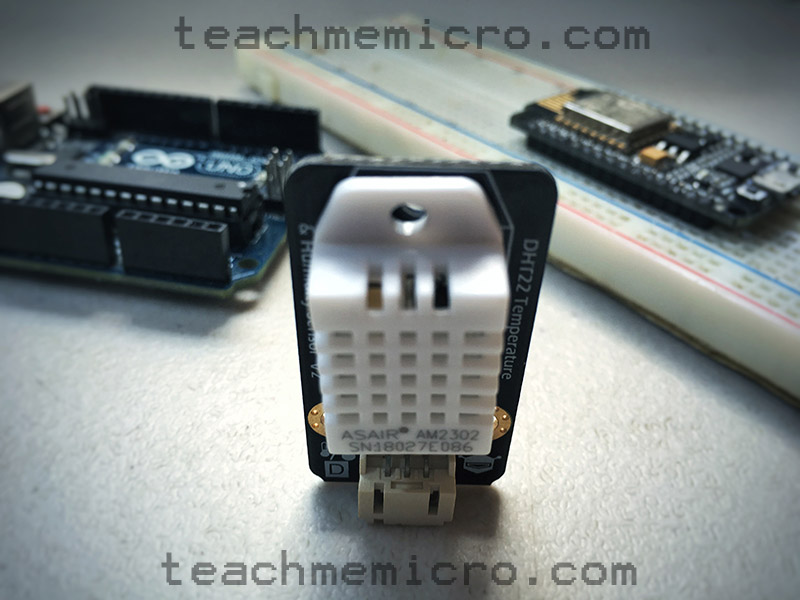
The DHT22 is a temperature and humidity sensor in one package. It is widely used mainly due to its price but also because of it being robust and user-friendly. In this NodeMCU DHT22 interfacing tutorial, I will guide you in creating an IoT-based weather monitoring project with ESP8266.
Read More »
May 4, 2019
ESP8266 Tutorial, Sensor Tutorial
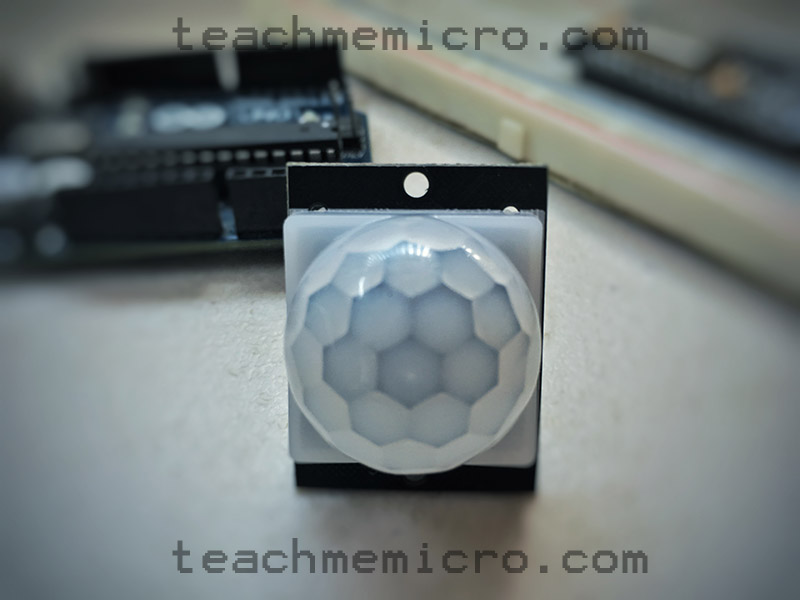
A Passive Infrared (PIR) sensor is a popular sensor for detecting the presence of a person. This is a type of proximity sensor although you may also call it a motion sensor. This tutorial aims to guide you in using a PIR sensor with your NodeMCU ESP8266 WiFi board.
Read More »
April 23, 2019
PIC Tutorial
Lack of pins to use is a common challenge in designing microcontroller-based projects. This is particularly true when dealing with liquid crystal or seven-segment displays. Multiplexers and display drivers are great help but at an additional cost. Thankfully, a software-based solution exists to solve such a problem.
Read More »
April 18, 2019
Arduino Tutorial
The basic Arduino boards are not powerful enough for image processing. Heck, they are not even good enough to capture photos without the help of a desktop computer. However, there is a special imaging device you can use to make an Arduino detect objects.
Read More »