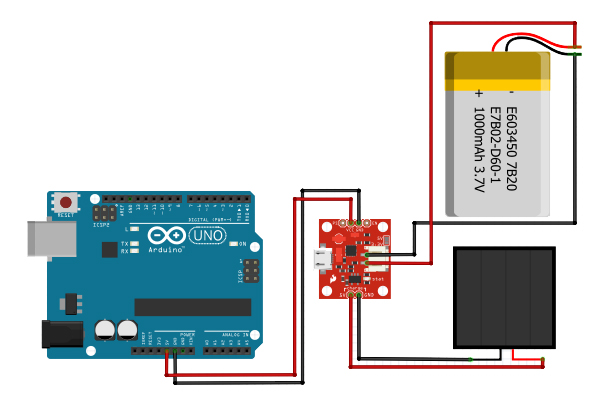
Building a continuously running smart home server or an MQTT broker using a Raspberry Pi is an incredibly rewarding project, right up until a sudden power outage wipes out months of careful configuration. Across Australia, intense weather events such as severe storms and summer heatwaves frequently challenge the stability of the power grid. According to the Australian Energy Regulator, extreme weather is a primary driver of residential power fluctuations. These breakdowns increase the risk of local grid instability, load shedding, and minor voltage sags known as brownouts. For delicate home server equipment running around the clock, these brief drops in residential voltage are an absolute nightmare for data integrity.
Managing Raspberry Pi Power Sensitivity
Modern single-board computers are remarkably powerful but notoriously sensitive to voltage irregularities. The latest Raspberry Pi models demand a highly stable power supply capable of delivering sufficient current for sustained operation. If the incoming electricity supply drops during a brownout, the board's built-in low-voltage detection circuitry immediately kicks in. This can trigger hardware warnings on your operating system, throttle CPU performance to conserve energy, and restrict USB power delivery. That sudden restriction can disconnect attached peripherals, such as external hard drives or Zigbee radios.
To prevent sudden system reboots during micro-outages, you must bridge the power gap locally. For isolated or smaller-scale setups, installing a mini UPS shield such as the SunFounder PiPower can effectively protect an individual Raspberry Pi by providing uninterrupted direct current. This specific hardware layer keeps the board running long enough to ride out a brief flicker in the grid and safely prevents the memory card from dropping out mid-write.
Comprehensive Protection for Your Entire Gateway
While a battery shield works beautifully for an isolated microcontroller, serious IoT gateways rarely operate in a vacuum. Your Raspberry Pi relies on a surrounding ecosystem of network routers, ethernet switches, and external hard drives to function as a true smart home hub. If the main network router loses power during a blackout, your local IoT gateway goes completely offline regardless of whether the Pi stays powered. For a robust, network-wide solution, you need to protect all your critical infrastructure at the alternating current level. Upgrading to a commercial APC back UPS ensures your entire networking rack remains online when the house loses power.
Because a standard Raspberry Pi draws relatively little power under normal load, pairing it with a standard battery backup unit can keep the gateway, alongside critical networking equipment, powered during an extended blackout. This provides valuable time to safely power down devices or keep critical security cameras and sensors online until grid power is restored.
The Mechanics of Flash Storage Failure
Understanding why power failures are so destructive requires looking closely at how single-board computers manage data storage. By default, Raspberry Pi operating systems use the ext4 file system. While the journaling feature of this file system helps recover from minor software crashes, it cannot perform miracles when hardware power disappears instantly. Consumer-grade microSD cards completely lack the onboard power-loss protection capacitors found in expensive enterprise data centre drives.
If a power cut happens exactly when the system is updating critical metadata, the storage partition can become corrupted. The threat to your gateway is well documented. Research presented at the USENIX conference has demonstrated that flash memory devices can experience severe data corruption or failure when subjected to sudden power faults. This engineering evidence highlights that flash memory is inherently vulnerable to unexpected shutdowns, reinforcing the importance of external battery protection.
Actionable Steps to Bulletproof Your Setup
Protecting your hardware physically is only the first part of the equation. To truly prevent data corruption, your operating system needs to know when the power grid has failed so it can safely halt background logging tasks before the backup battery dies.
Implement these technical strategies to secure your 24/7 gateway:
- Automate graceful shutdowns: Connect your battery backup unit to your Raspberry Pi using a standard USB data cable. You can utilise open-source packages like Network UPS Tools (NUT) or apcupsd to monitor real-time battery telemetry. When grid power drops, you can configure your smart home platform to read the discharge level and execute a safe shutdown sequence before the system crashes.
- Upgrade your boot drive: Migrating your boot partition from a standard SD card to a USB solid-state drive significantly improves overall read and write endurance. However, keep in mind that external drives remain vulnerable to fatal file system corruption during a hard power cut, making uninterrupted power essential.
- Minimise background write cycles: Smart home platforms like Home Assistant continuously log sensor data. Adjust your software recorder settings to store only essential metrics. This limits the frequency of background writes, lowering the statistical chance of a power fault colliding with an active storage command.
Building resilience into your Raspberry Pi IoT gateway saves you from the intense frustration of rebuilding a corrupted system from scratch. By understanding the mechanical fragility of flash storage and implementing robust hardware backup solutions, your smart home infrastructure will remain stable, secure, and fully operational despite whatever challenges the local power grid throws your way.