Home / Roland Pelayo (page 51)

Roland Pelayo

I started TMM back in 2015. I’m a firmware and embedded systems engineer with over ten years of experience designing and developing electronic and microcontroller-based products. Over the years, I’ve worked on a wide range of projects, including medical devices, access control and security systems, automation, robotics, wireless communication modules, IoT systems, imaging and sensor instruments, and educational training tools. I’ve built systems using platforms such as PIC, AVR, ESP32, STM32, nRF52, and Raspberry Pi, and I regularly work with protocols like RS485/OSDP, CAN, TCP/IP, Wiegand, and a variety of sensor and communication interfaces. I also develop full-stack solutions for embedded projects, combining firmware, hardware, and web-based dashboards when needed. If there’s a topic you’d like me to write about, or if you need consultation or hands-on development for electronics, embedded, or firmware projects, I’m always open to working on new ideas and collaborations. You can reach me anytime through the contact page.

Interrupt Tutorial II - Arduino Timer Interrupt

Arduino Timer Interrupt

In my previous Arduino Interrupt tutorial, I showed how to use the external and pin change interrupts for the ATMega328p-based Arduinos. There, I showed an example where pressing a button halts the normal program execution at any time and serves another routine (Interrupt Service Routine or ISR). In this article, …

Read More »

Arduino Interrupt Tutorial

Suppose your Arduino project reads a sensor, updates a display, and responds to a push button. Most of the time, the button works as expected. Every so often, though, a quick press seems to do nothing, most likely because the program was busy elsewhere when the button changed state. One …

Read More »

Raspberry Pi Serial (UART) Tutorial

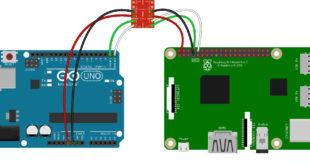
Arduino UNO Raspberry Pi Connection

The serial port is a common way to “talk” to devices and is a feature that most microcontrollers and computers have. This Raspberry Pi Serial tutorial teaches you how to utilize the board’s UART feature in order to connect to a PC or to other microcontrollers and peripherals.

Read More »

Raspberry Pi GPIO Tutorial

GPIO LED output example

The Raspberry Pi is a Linux computer. But unlike most desktop and laptop Linux computers, users have access to a row of pins that can be used as inputs or outputs. These 40 pins are called GPIO (General Purpose Input Output) pins. This Raspberry Pi GPIO tutorial aims to help …

Read More »

Arduino RGB LED Tutorial

arduino rgb led tutorial

A RGB LED is a special light-emitting diode that can produce 16 million possible colors, all by combining the colors red, green, and blue in varying intensities. This tutorial will show you how to use a RGB LED with Arduino. Introduction to RGB LEDs RGB LEDs typically have four pins …

Read More »

Using an Arduino Turbidity Sensor

Turbidity refers to the haziness of a fluid caused by the increased number of very tiny particles which, individually, is invisible to us. Moreover, turbidity measurement is important in testing the quality of water. This Arduino turbidity sensor tutorial provides a guide on how to implement this setup using a …

Read More »

Featured: DFRobot Bluno M3

DFRobot Bluno M3

Last time I featured DFRobot’s Bluno M0, an Arduino-compatible board with embedded Bluetooth chip. Now, I will write about the Bluno M3, an STM32-powered board that strikingly looks similar to the M0. Is it the same board or does it offer more?

Read More »